A couple of weeks ago we took an unbelievable transatlantic cruise from Iceland to New York with port stops in Iceland, Newfoundland, Nova Scotia and Greenland.
I was very excited for this opportunity to see Greenland but I knew very little about it. After spending almost three weeks in Iceland I started to suspect that Greenland would just feel link an extension of the Westfjords of Iceland. But that could not have been farther from the truth. Greenland is a different thing entirely. Everything from the landscapes to the people are completely different.
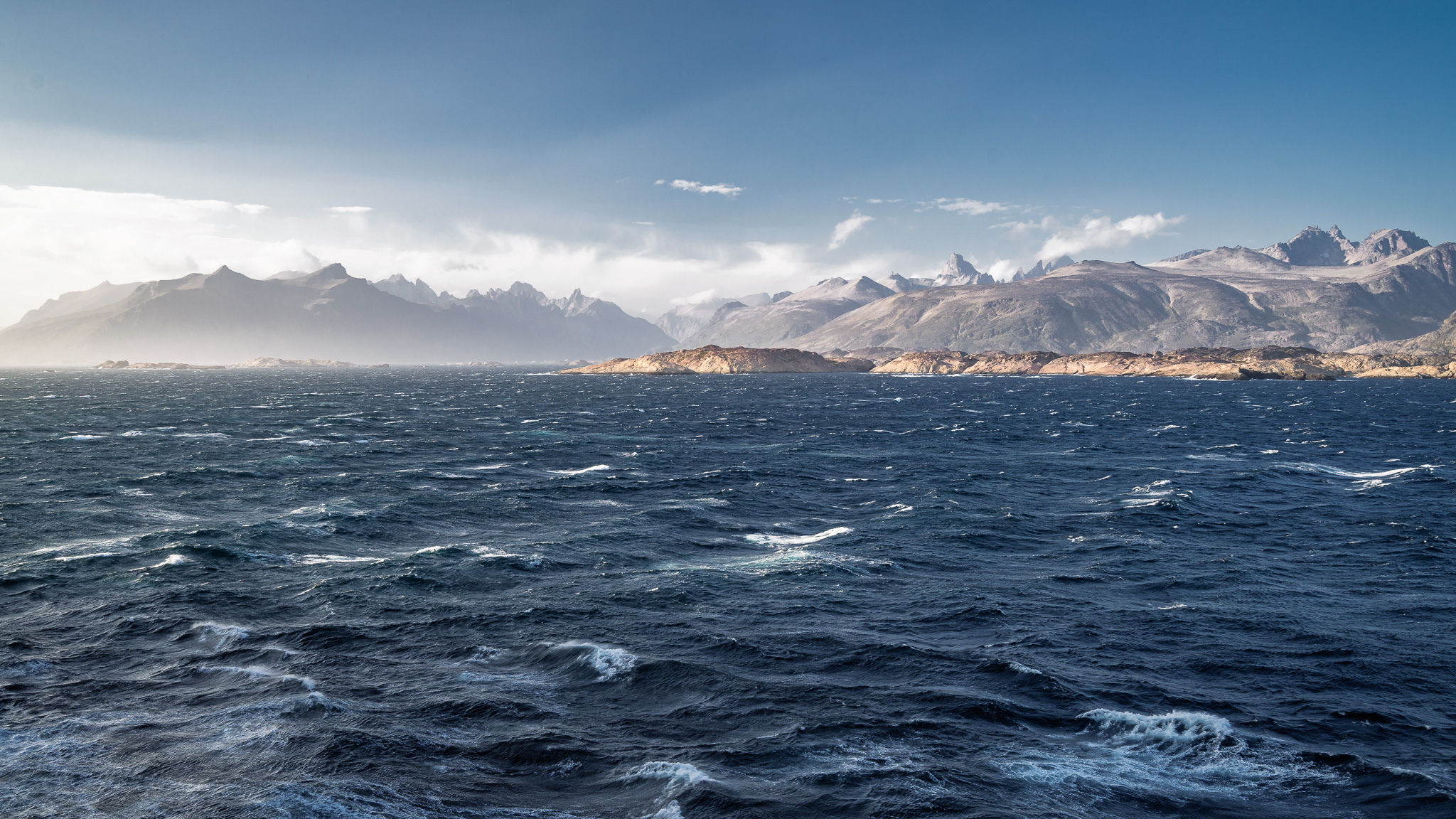
Our experience with Greenland ironically began by heading south, because we were very near to the Arctic Circle in Iceland, but for Greenland we were heading towards the southern coast. Our first sight of Greenland came two days after we left Iceland ơn a cruise ship. The water was pretty calm for most of the trip. We did get some stronger winds after Prince Christian Sound, but since we were heading right into them, the sailing was very smooth.
Prince Christian Sound
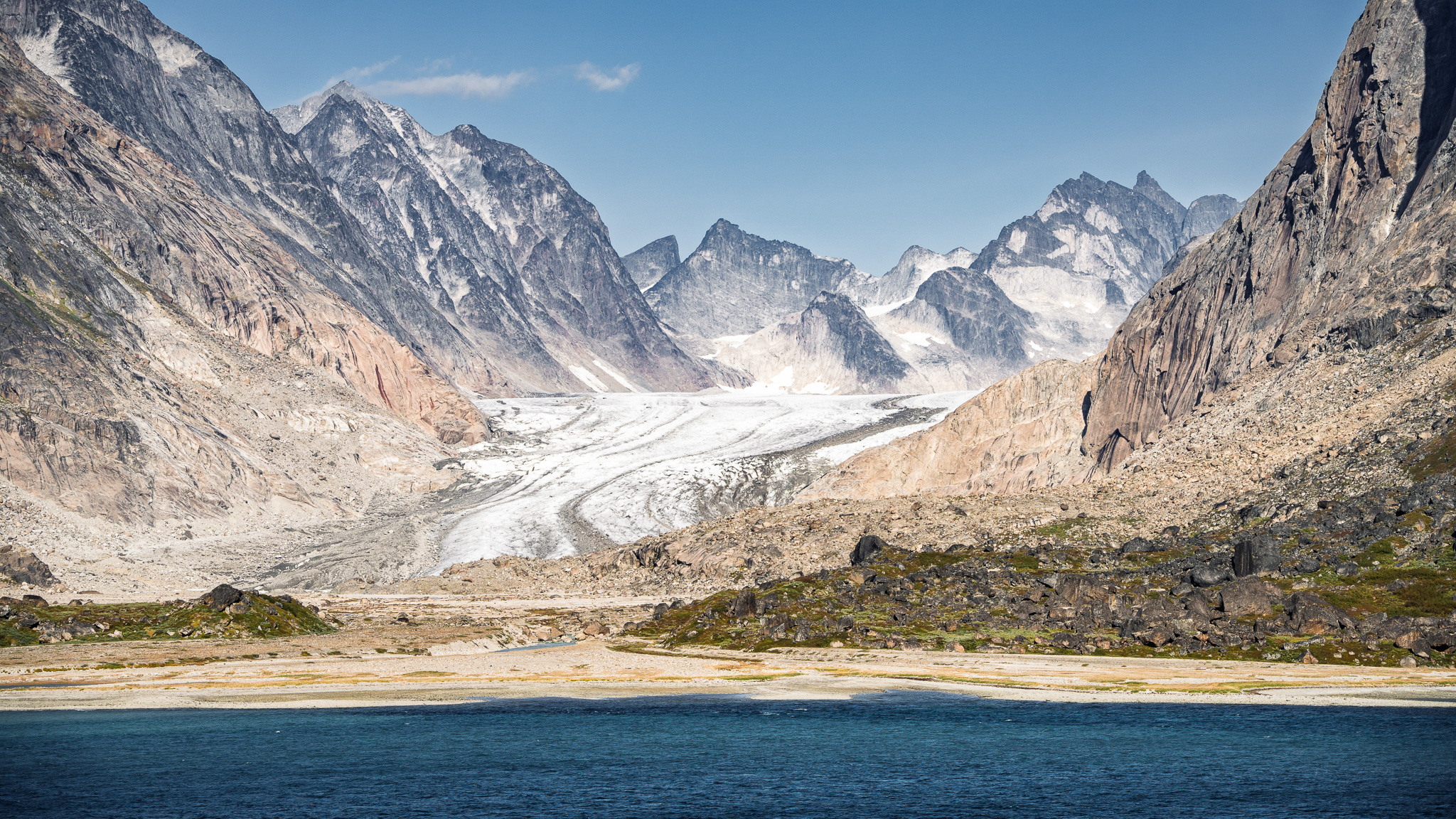
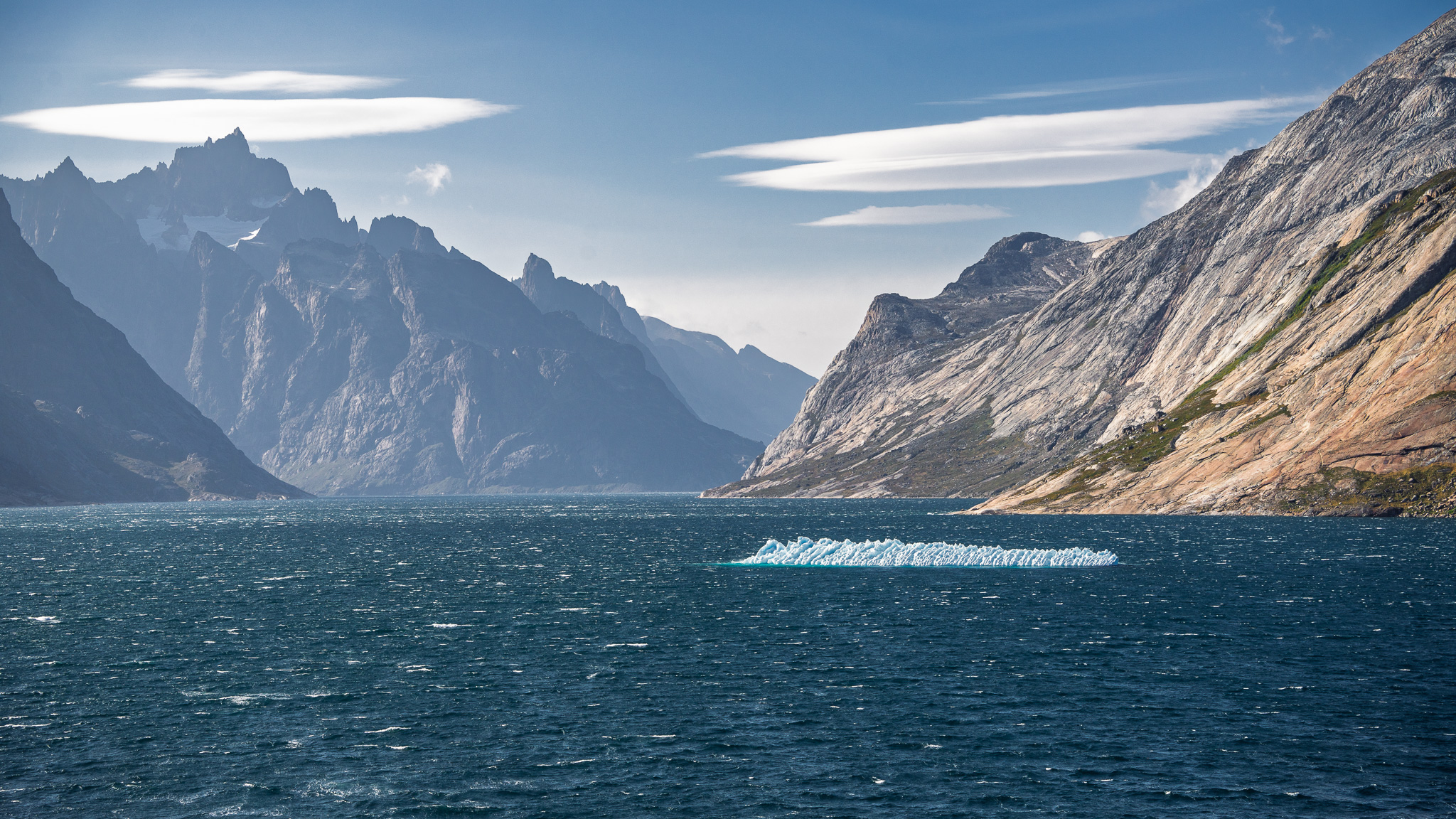
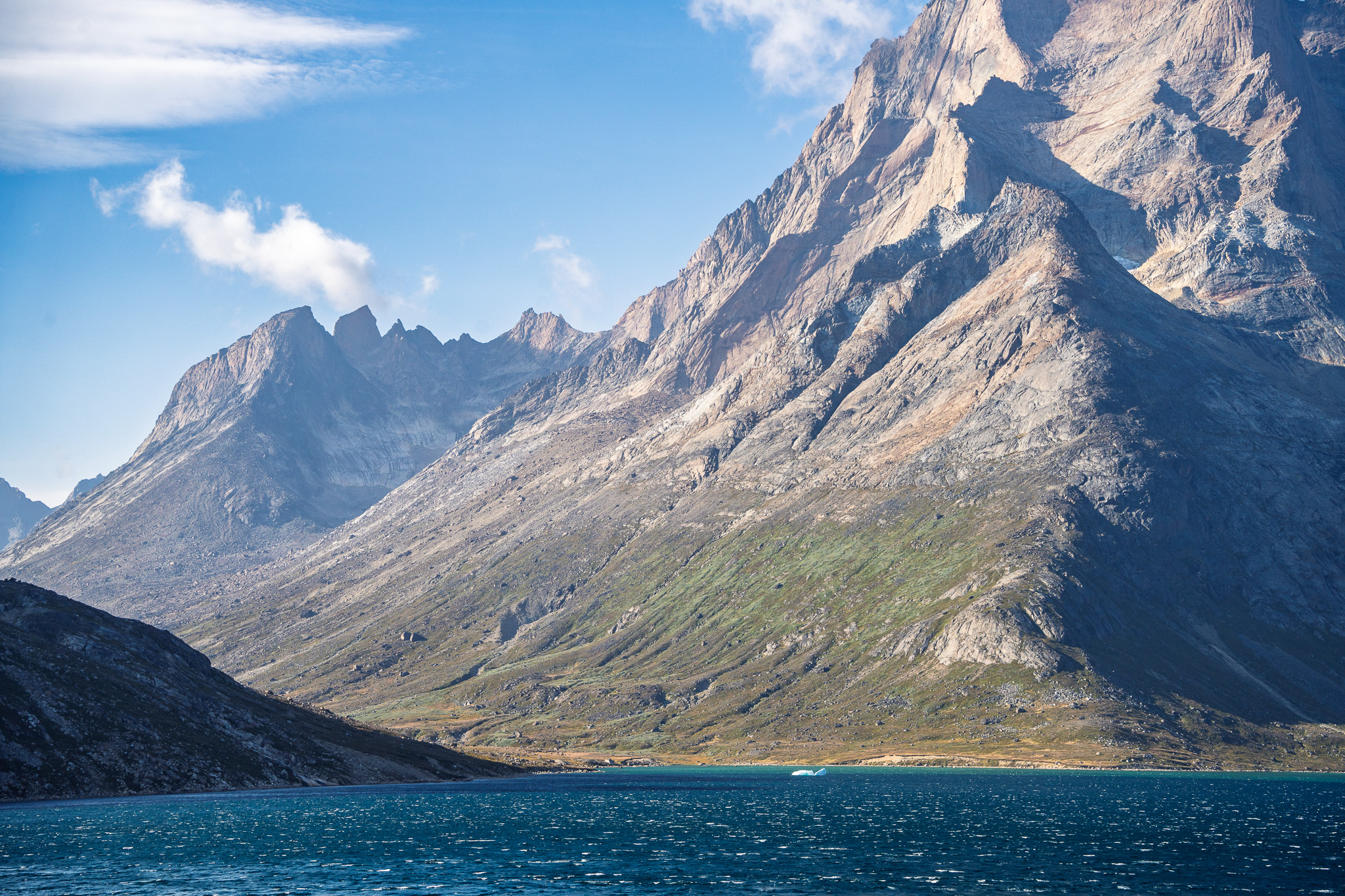
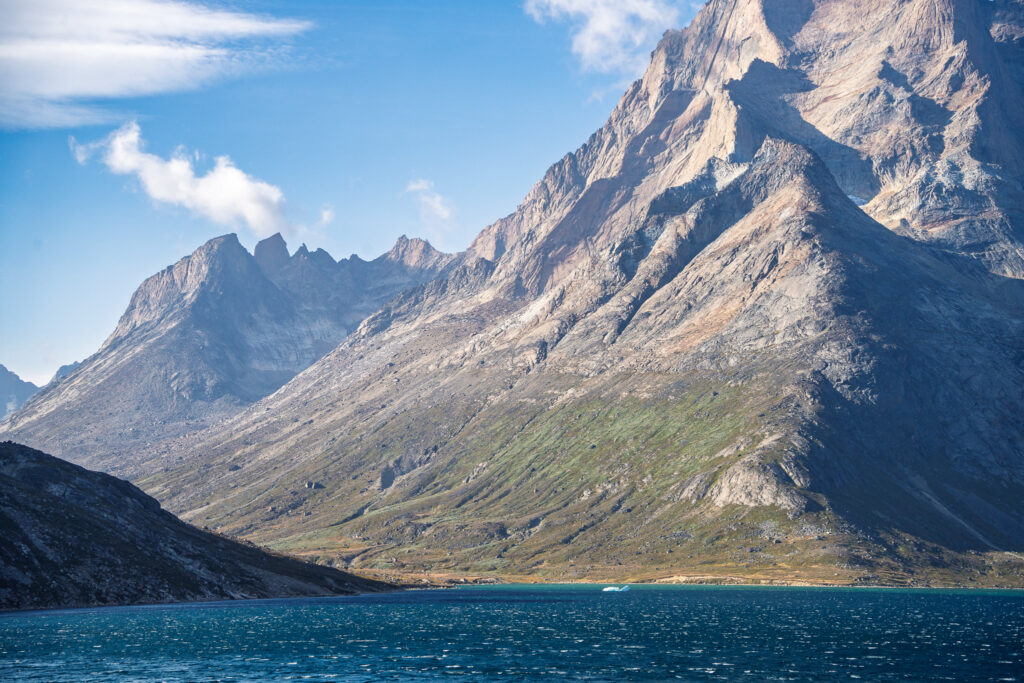
Our first experience with seeing Greenland was in crossing Prince Christian Sound. If you zoom in on a map of Greenland you’ll see that the southern coast is filled with islands. Most of them are not inhabited, and close together. Close, but far enough apart to have deep, navigable waterways between them. The challenge with navigating the channels is something that should come as no surprise, ice.
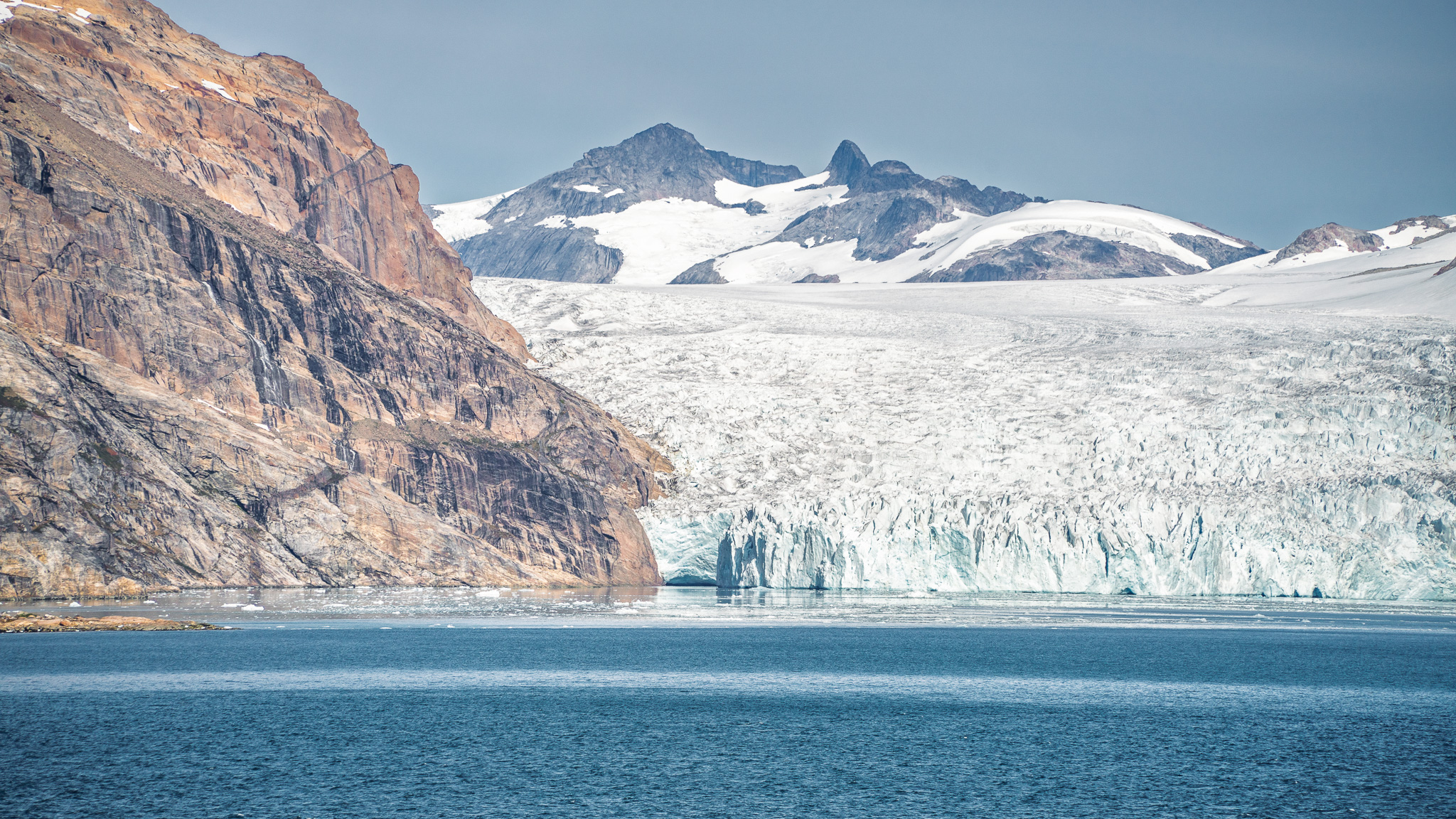
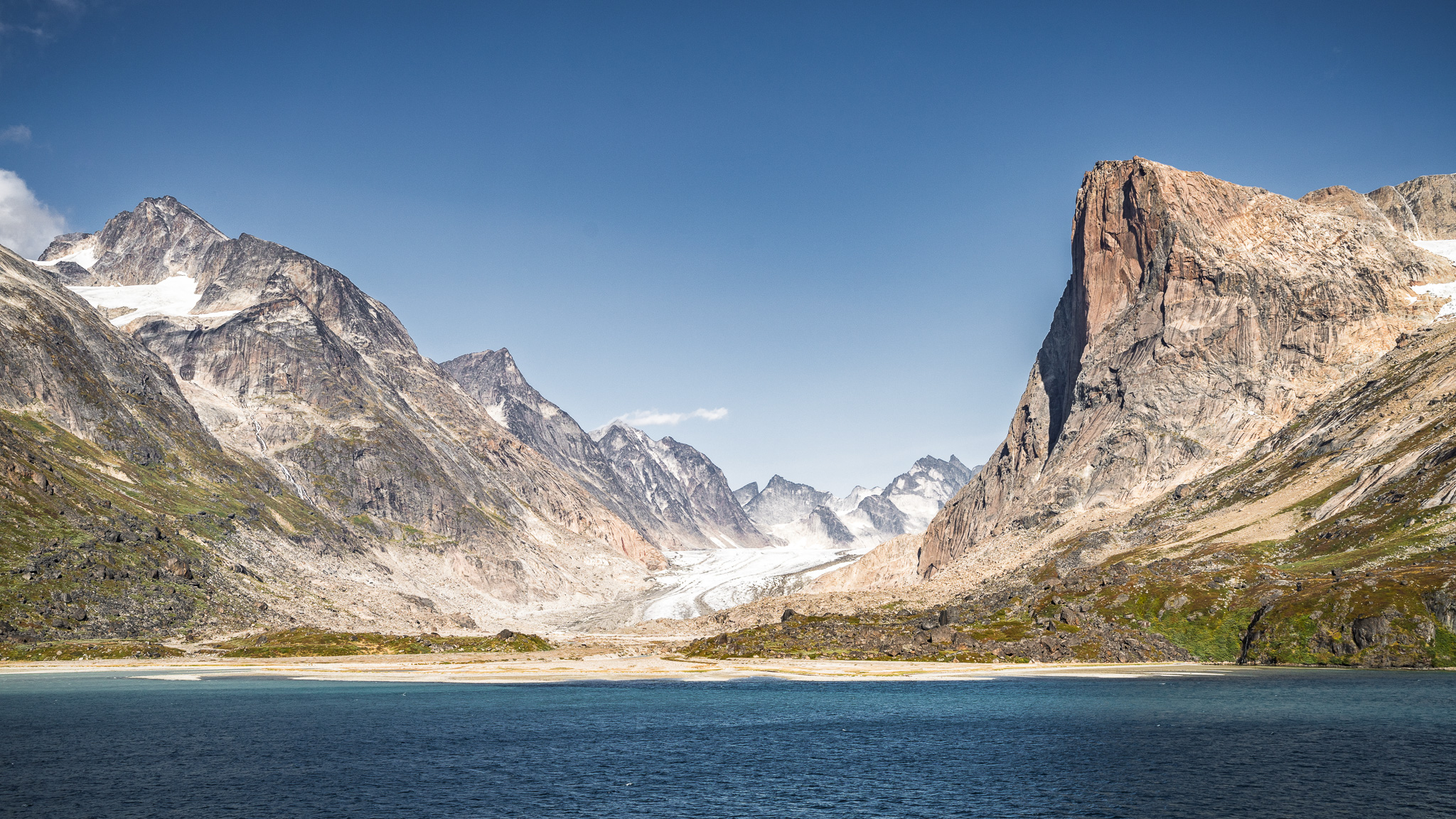
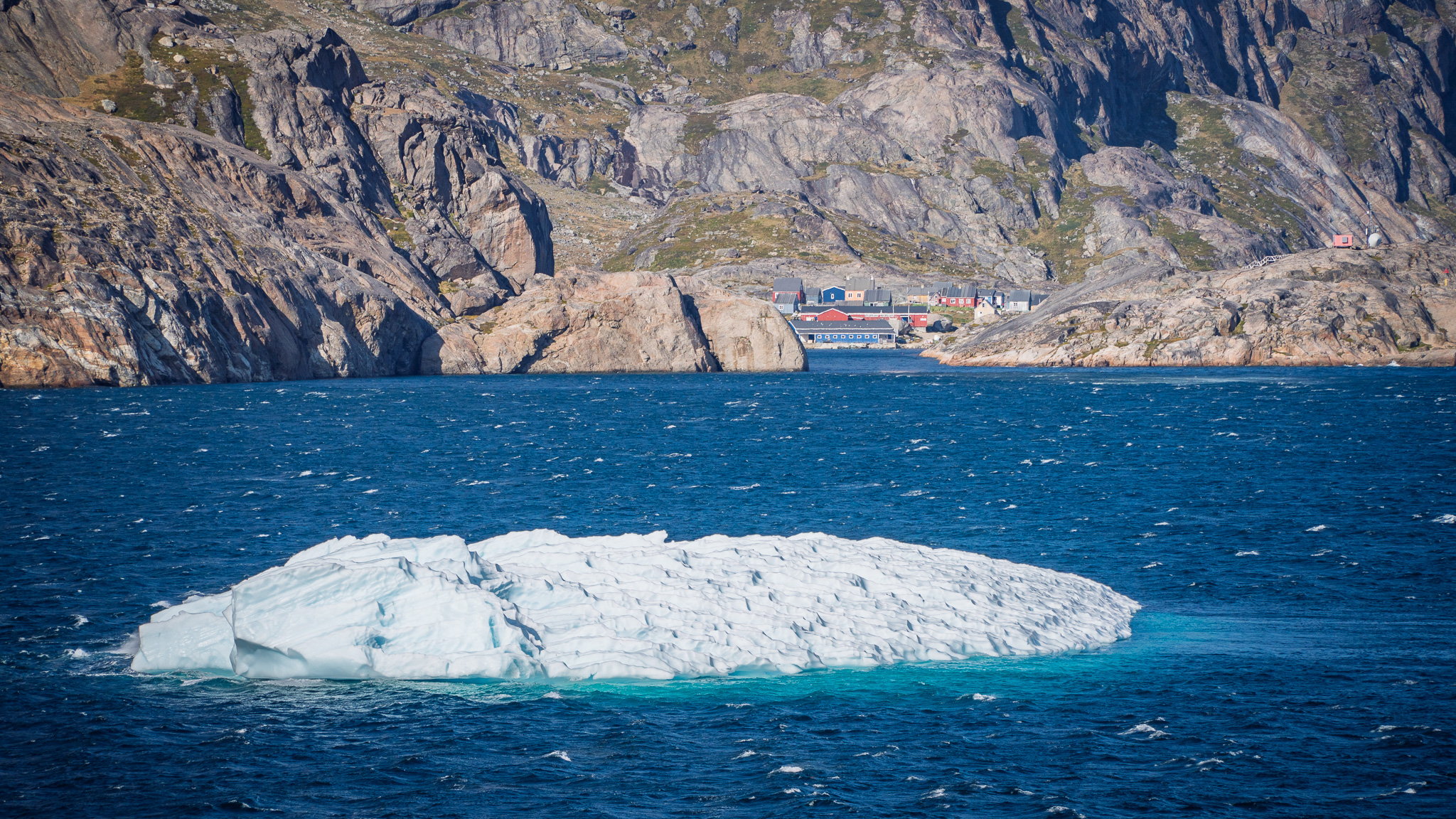
I didn’t appreciate how fortunate we were to sail this passage because being able to pass through the sound at all, especially in a large luxury vessel like ours is not at all a guarantee. Cruise ships aren’t ice breakers and aren’t designed to deal with icebergs. And since they are large, dodging floating ice would not be reasonable. But the day that we arrived, September 9th, 2026, the weather was perfect and there was very little ice in the water so we were treated to some of the most amazing scenery I’ve experienced on the planet.
I was blown away by the incredible mountain landscape. The glaciers, the glacial flows… the waterfalls. It was nothing short of incredible.
And so different from the moss-covered lava fields of the Icelandic fjords. 80% of Greenland is covered by the second largest ice sheet on earth. It generates enormous icebergs that float out into the Atlantic. The coastal regions have incredibly deep fjords and sheer, jagged mountain peaks. When you look farther inland it’s just covered with alpine mountain ranges as far as the eye can see. It’s… incredible.
We used Prince Christian Sound not only as a visual extravaganza but also as a bit of a shortcut to get from the east to the western coast of Greenland. After the sound we spent the next two days on land visiting two very different cities.
Qaqortoq
Qaqortoq is South Greenland’s cultural hub. There are rare earth element mines in the area but primarily their economy relies on education, administration, fishing, and fish processing.
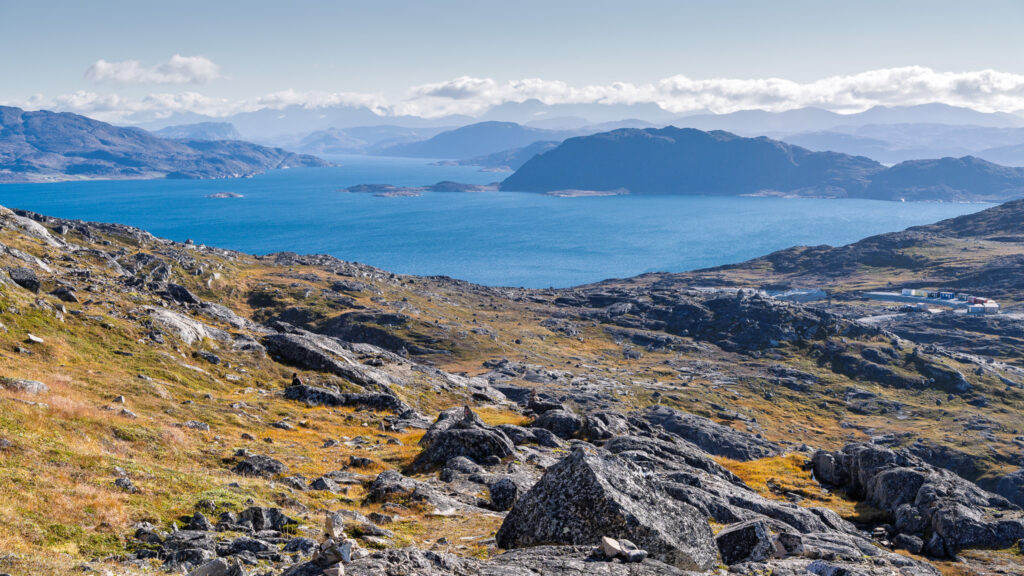
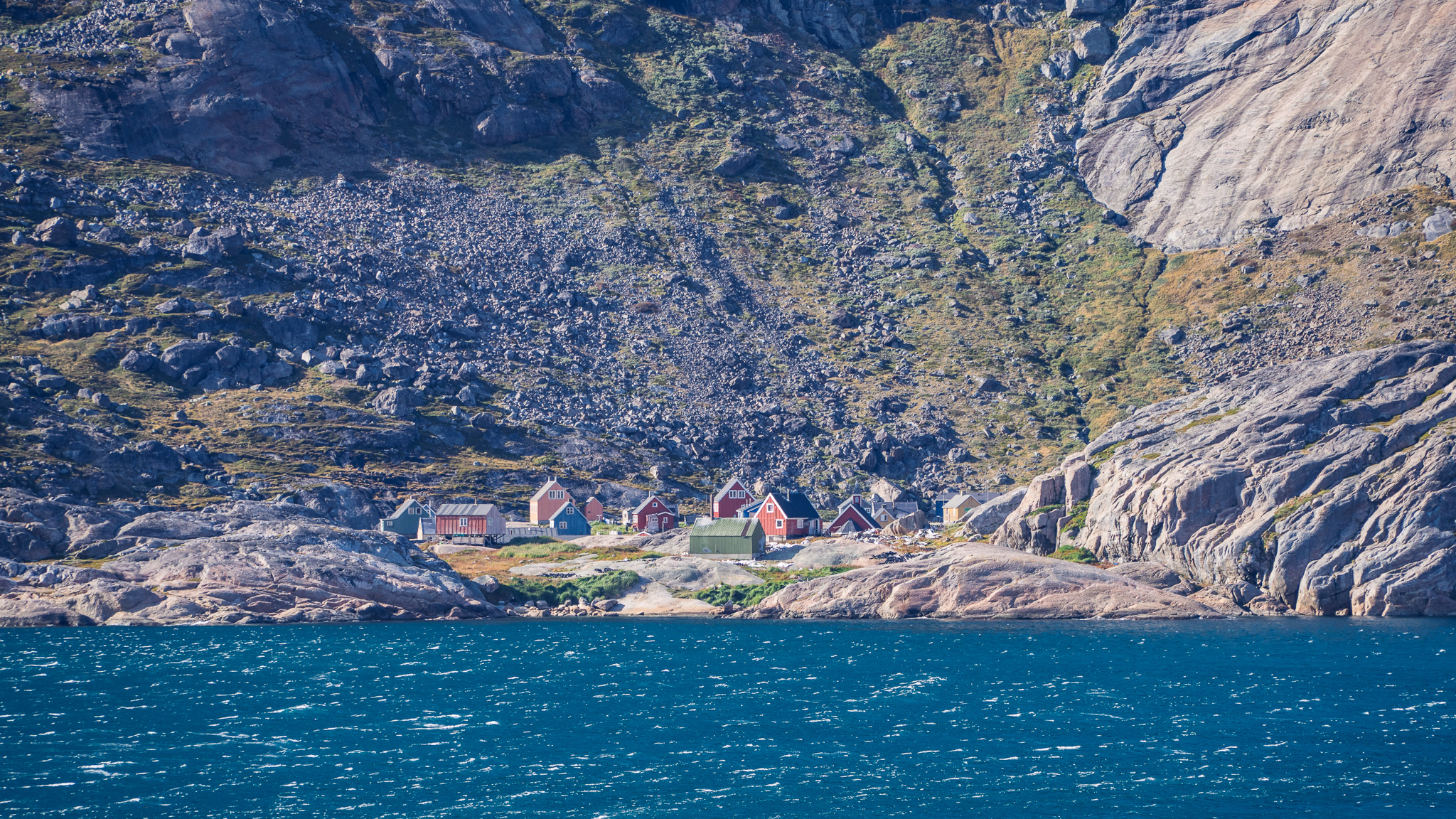
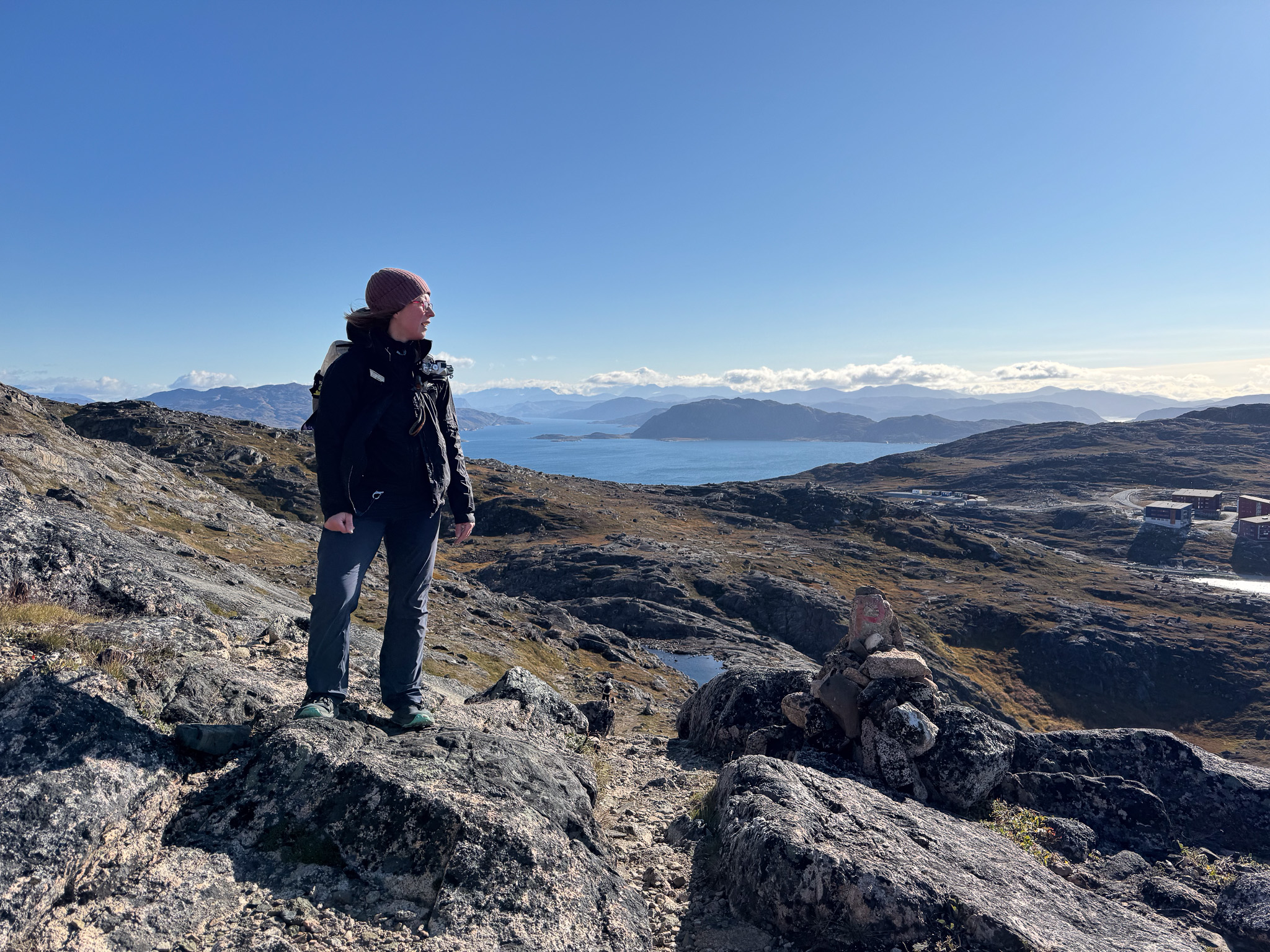
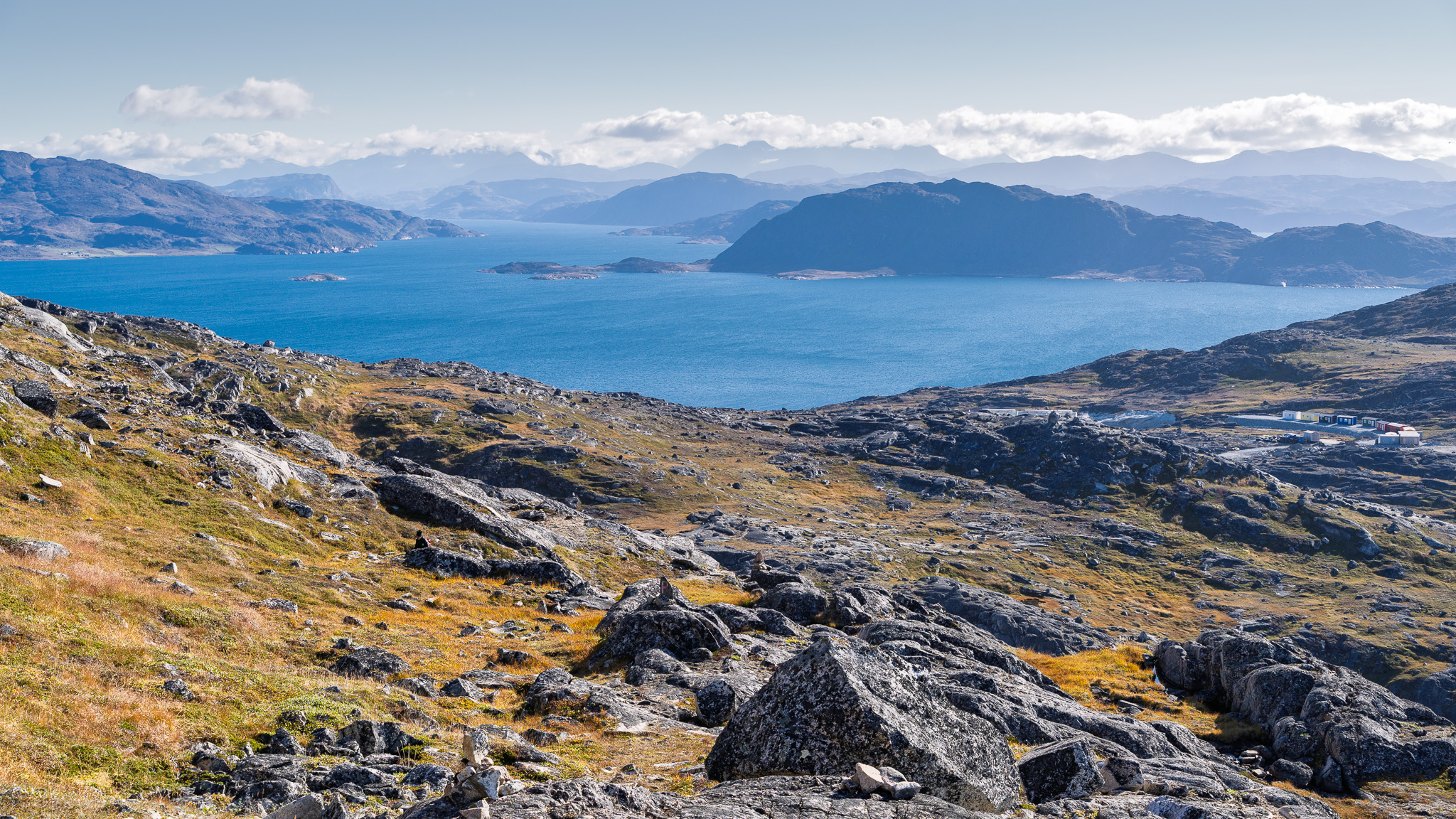
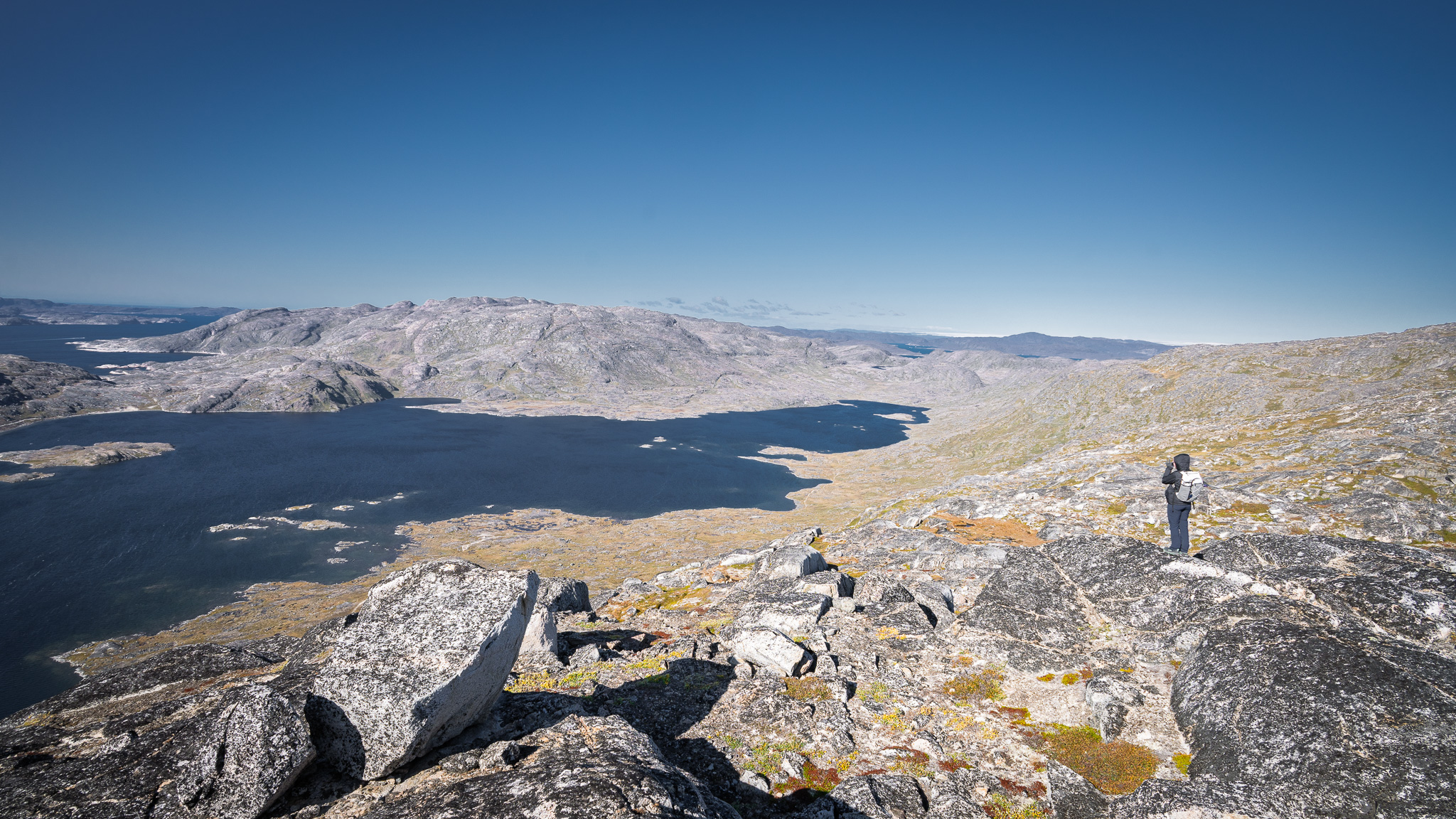
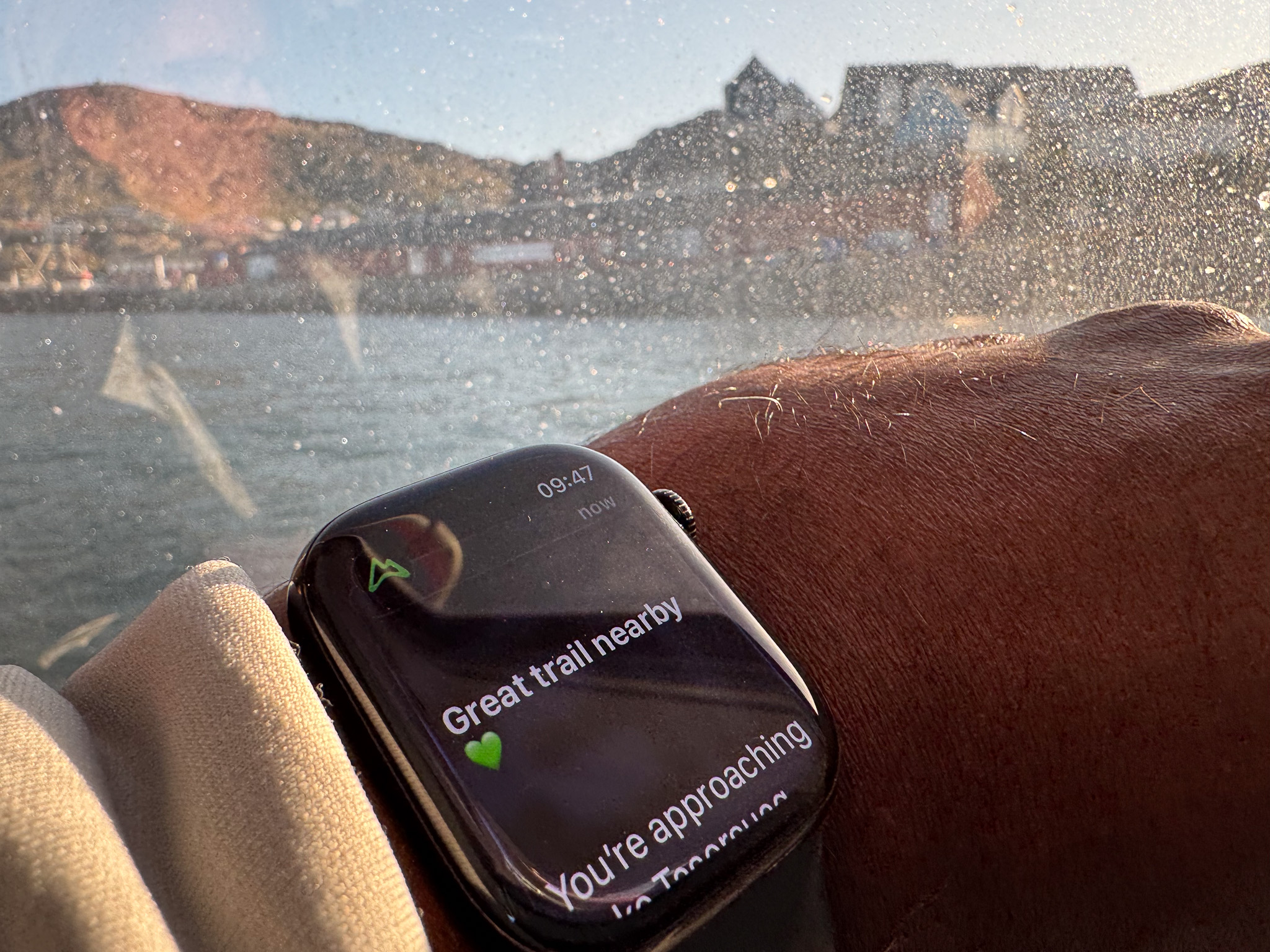
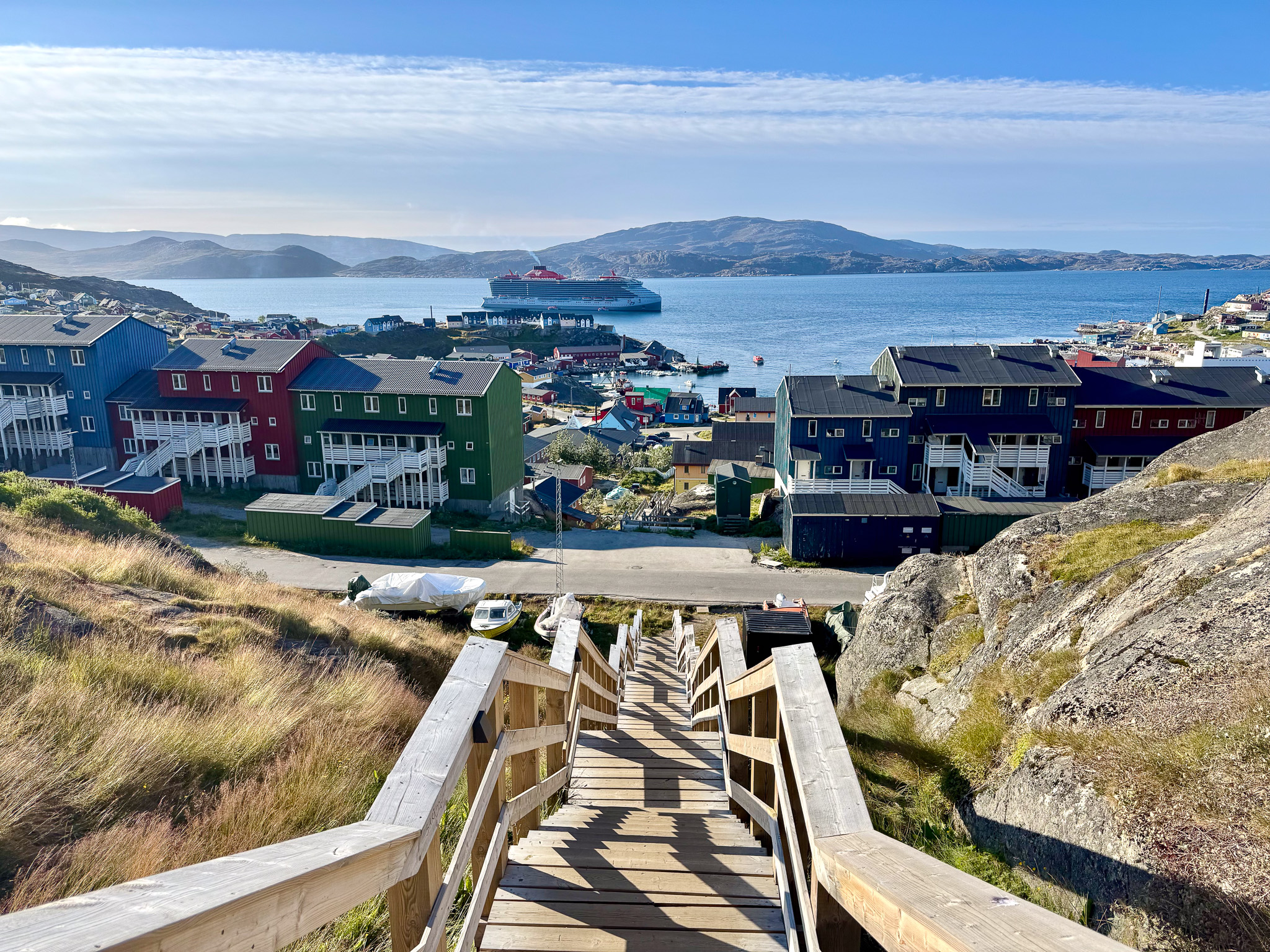
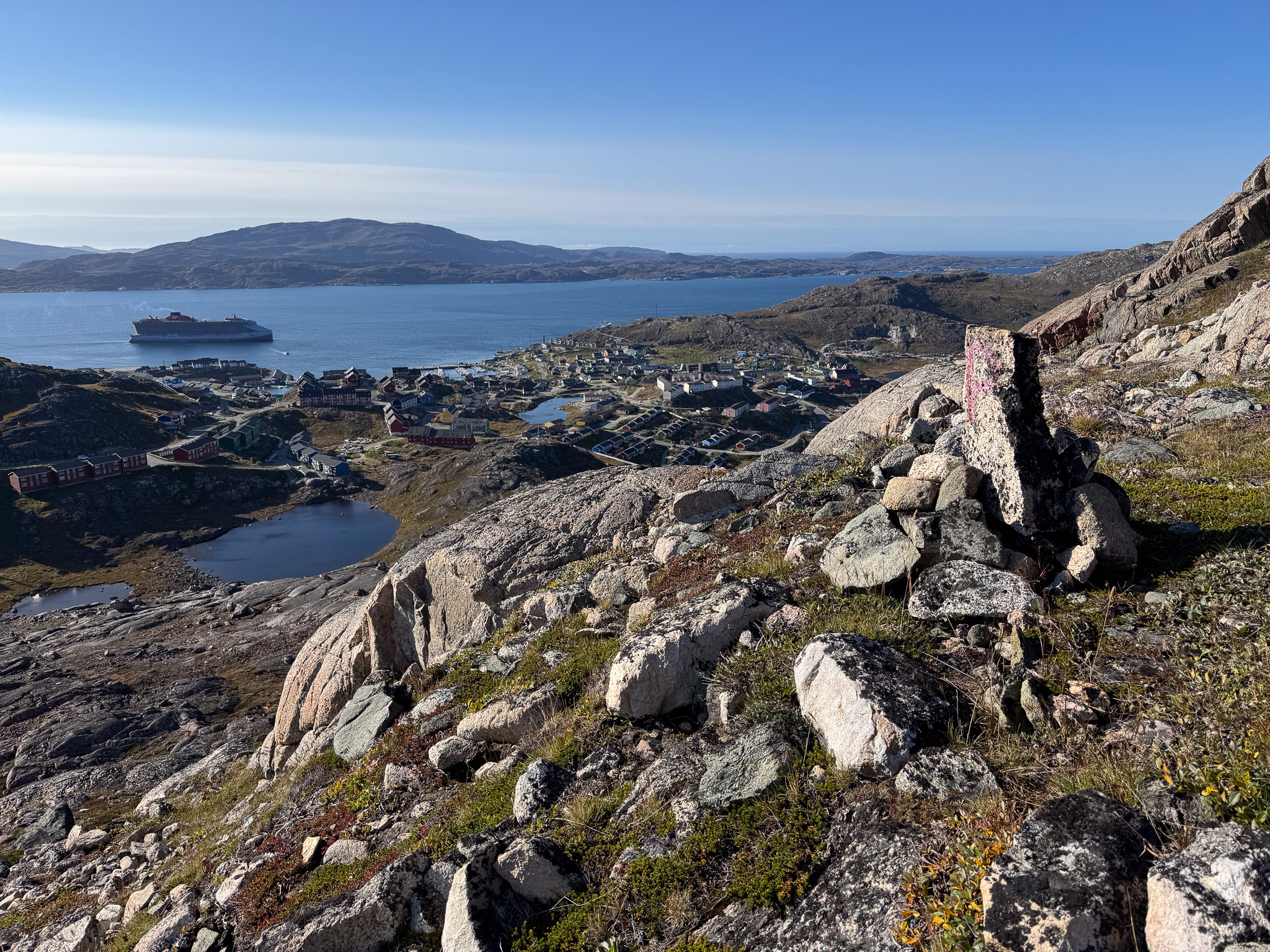
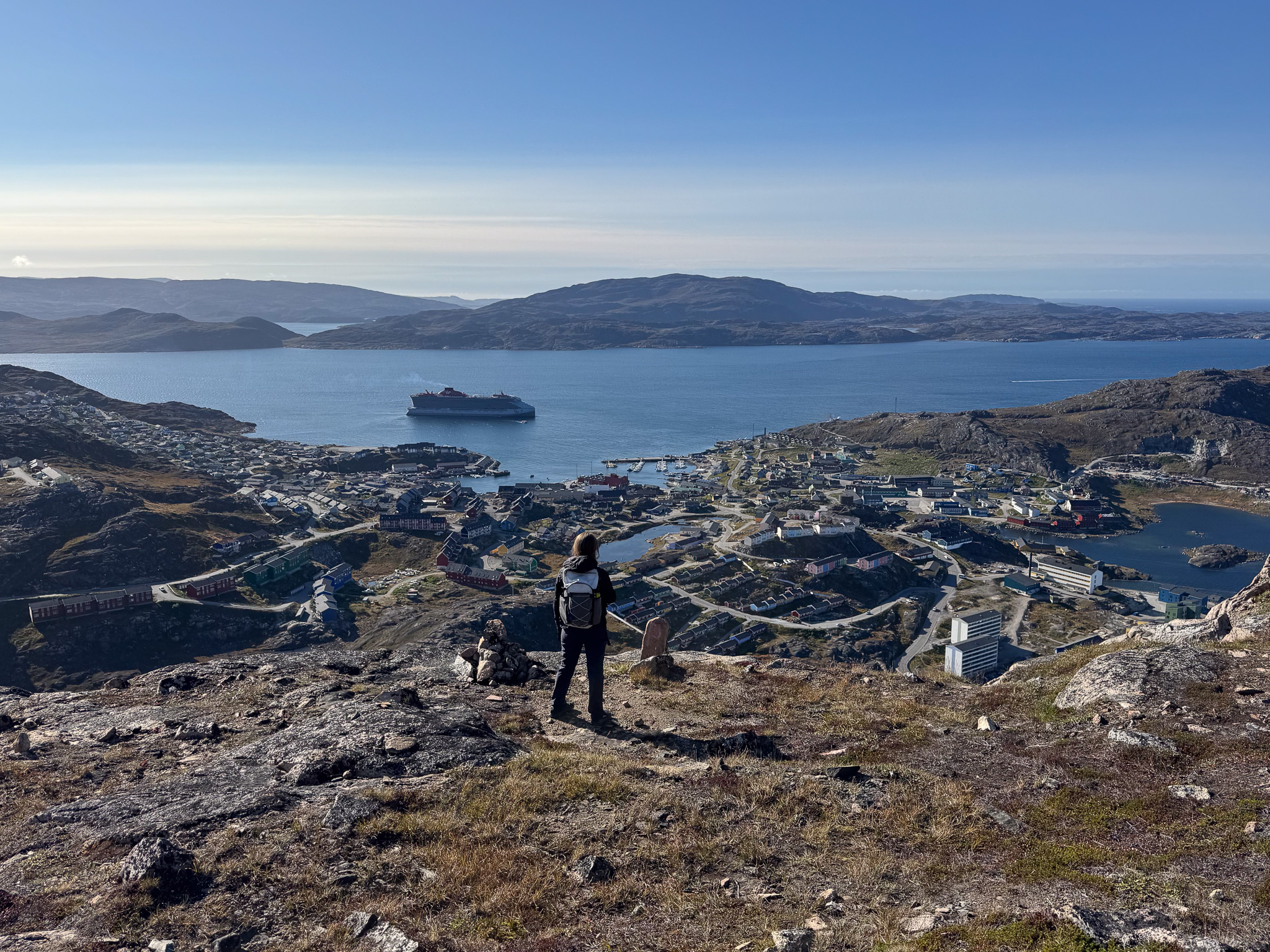
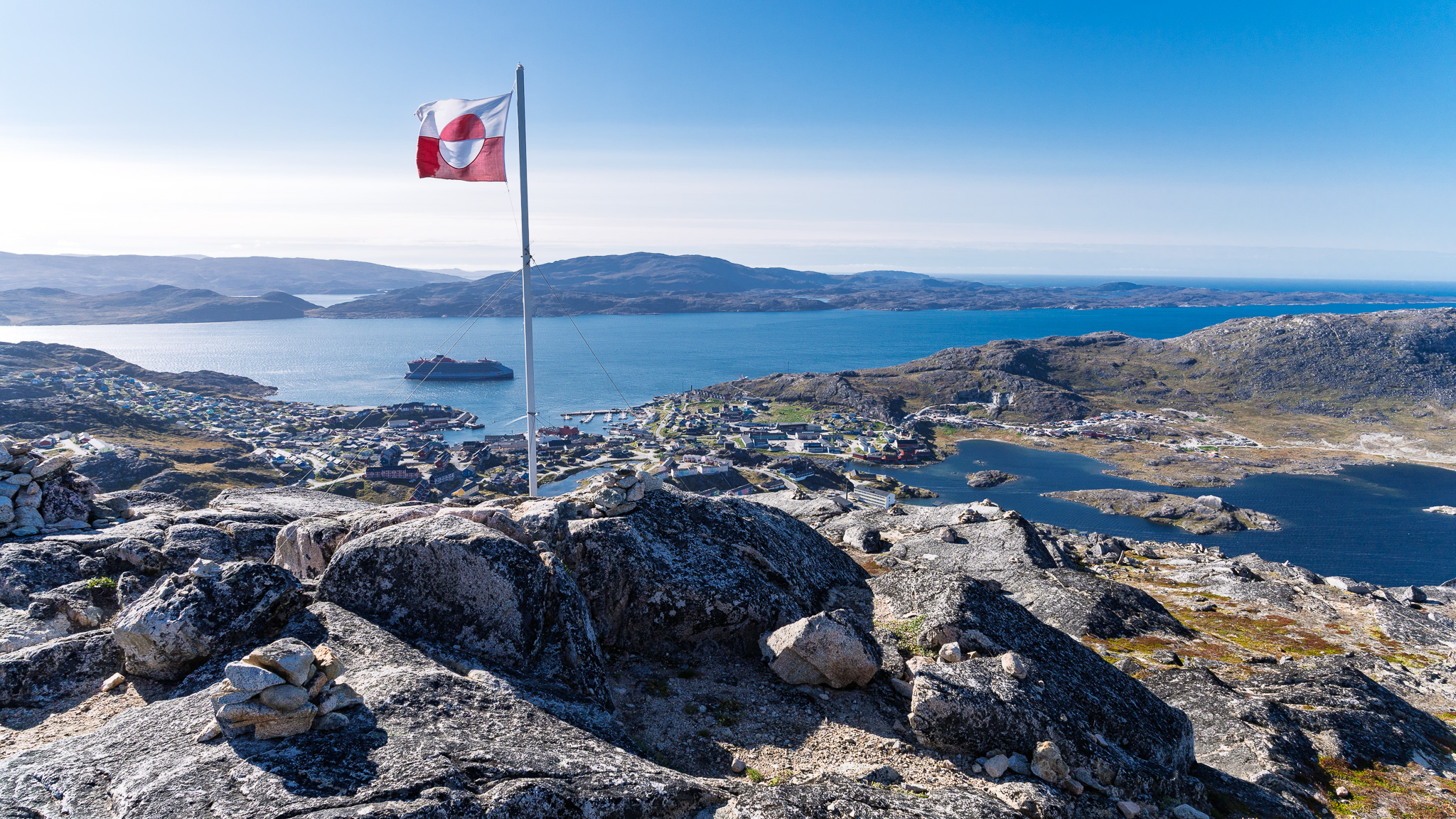
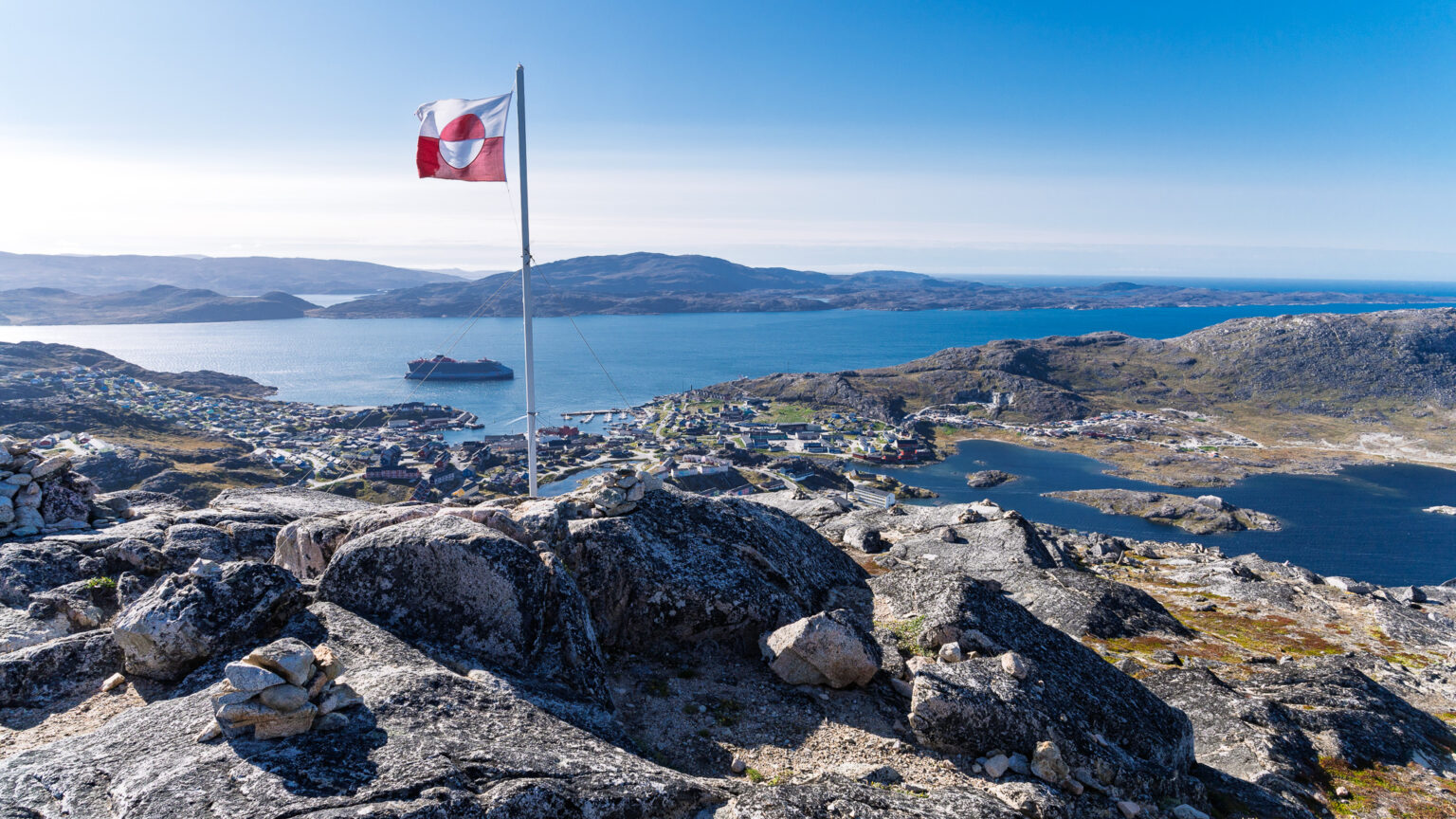
When you approach the town, the first thing you see are all of the brightly colored houses. That seems to be a common trait of these very cold places. I assume that it’s to brighten their sprits for long dreary winters. We had a beautiful sunny day, a bit windy when exposed but very nice for a hike. We ended up doing a great hike that started from the port. The harbor at the Qaqortoq port was not suitable for a vessel the size of ours. Our nearly 1,000 feet long and 110,000 ton displacement ship couldn’t dock there. We anchored off-shore and used the tender boats (aka life boats) to shuttle passengers from the cruise ship to the shore. Once on shore, I used AllTrails to map our hike up to the 319 meter peak of Saqqaarsuk mountain. It was a nice hike and not too technical, though you are going up almost a thousand feet. It’s reasonably well-marked on the ascending parts but can be a bit confusing on the way back.
Fun fact about the cities in Greenland. Qaqortoq is the fourth largest city in the country and has a little over 3,000 residents. The city has roads, and cars… but the roads in Greenland are only for moving around the town. There is no road network that allows you to drive from one town to another. For that, you need a boat or a plane!
Our next, and final stop in Greenland was to the capital, Nuuk.
Nuuk
Nuuk is the capital, and the largest city in Greenland. It’s home to a little over 20,000 people and its noticeably bigger than Qaqortoq. Our day in Nuuk was as bright and sunny as the day before in Qaqortoq, but it was a good 10 degrees (f) colder. The harber in Nuuk was large enough for our vessel to dock directly to the land, but the port is maybe a mile outside of town center, and is a tad industrial. The ship arranged shuttles to ferry folks to the city center, but since we’d been eating dessert with every meal on the ship, it seemed reasonable that we should just walk, so that’s what we did.
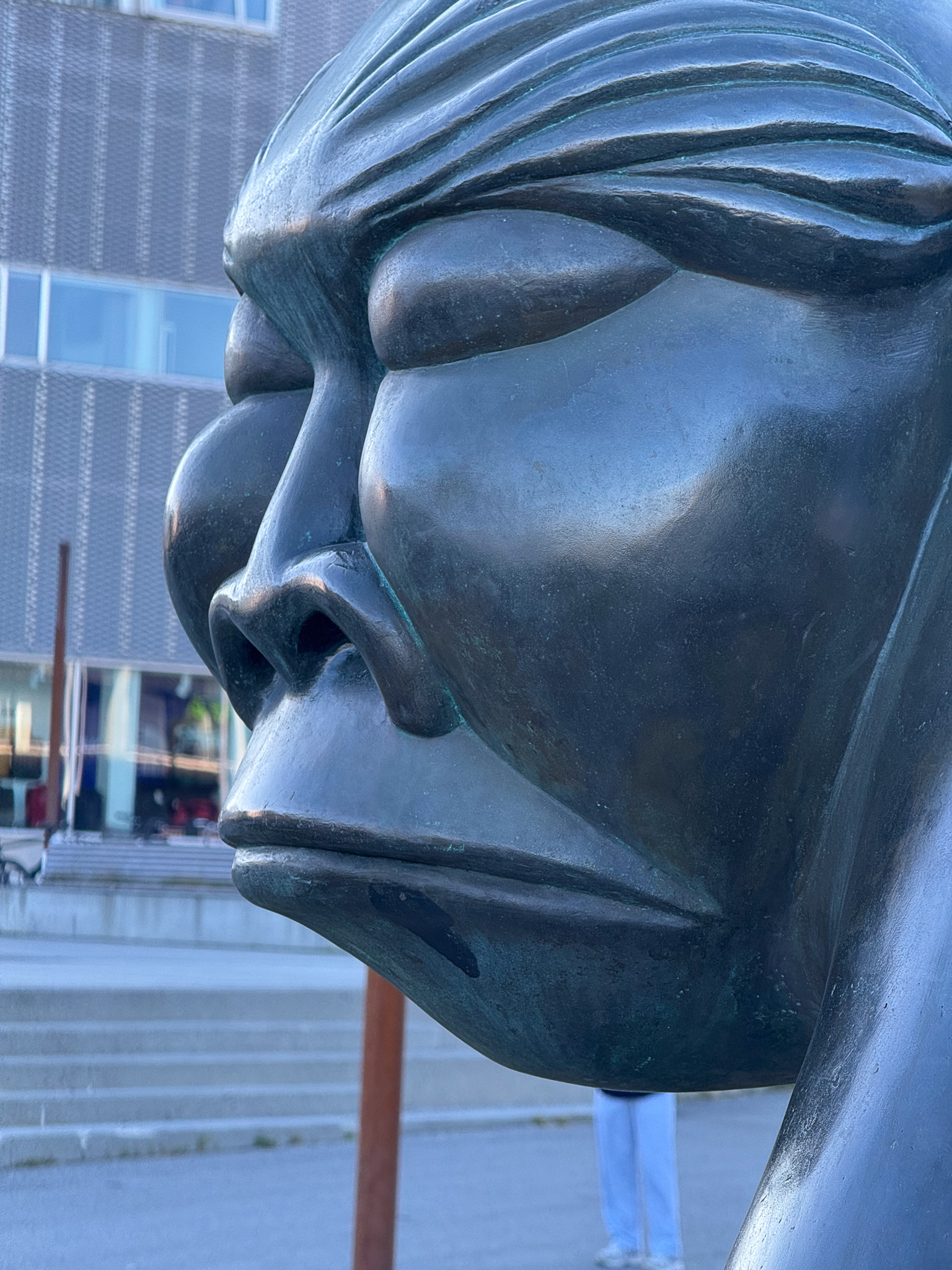
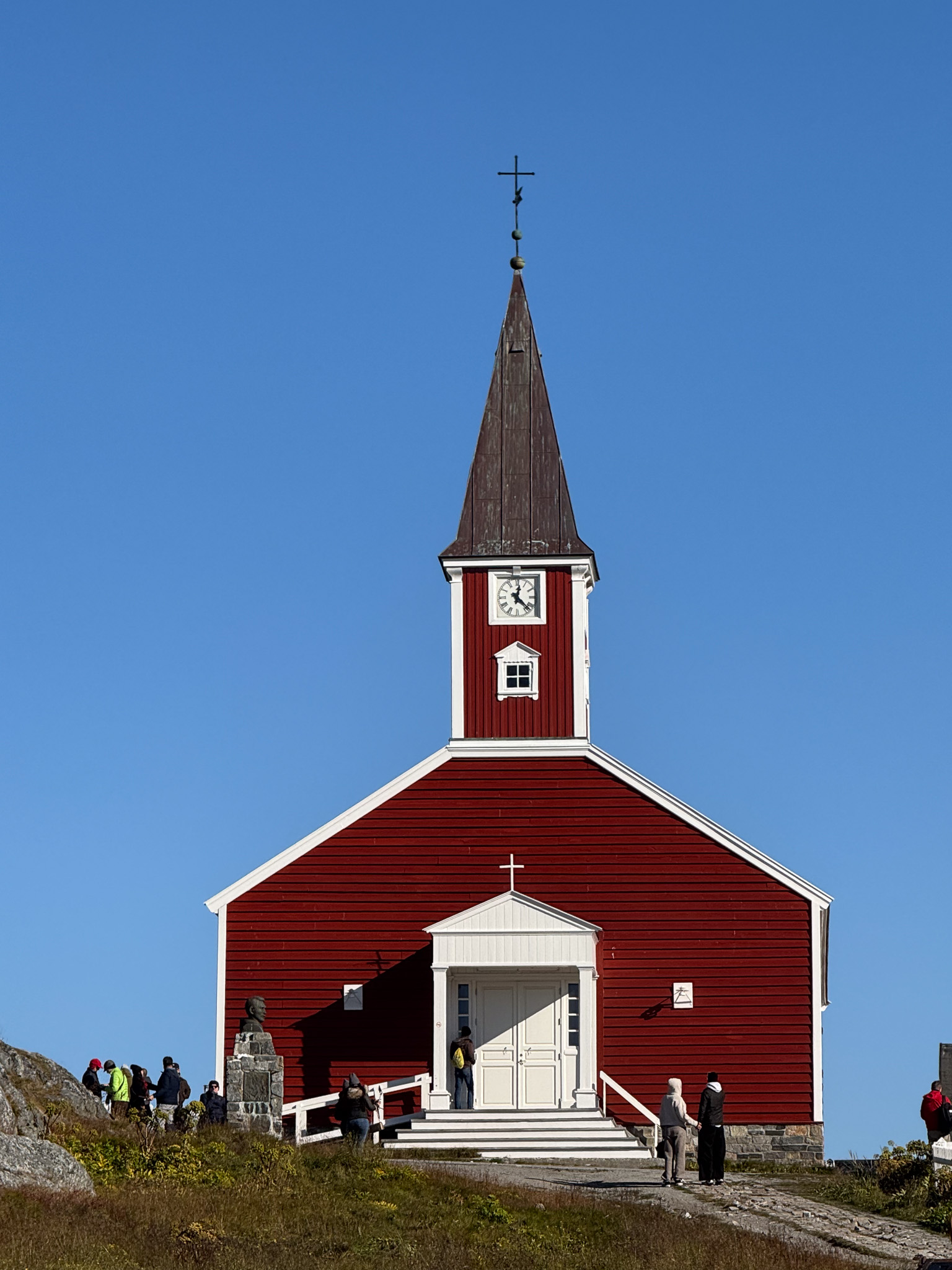
We found a suggested route to walk around the town seeing many of the sites. But after vising the hilltop statue of Hans Egede, the missionary who founded Nuuk in 1728, we ended up getting distracted. We sat on the cold shore for a bit watching our fellow tourists snap photos of statues and icebergs and eventually found our way to the Greenland National Museum.
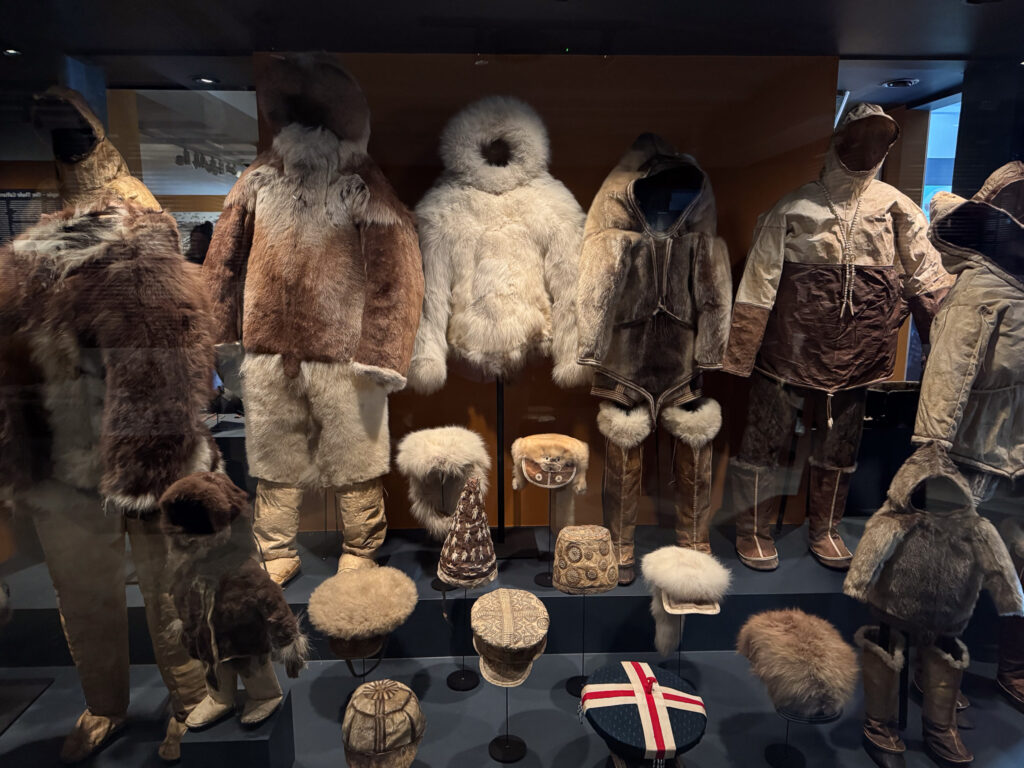
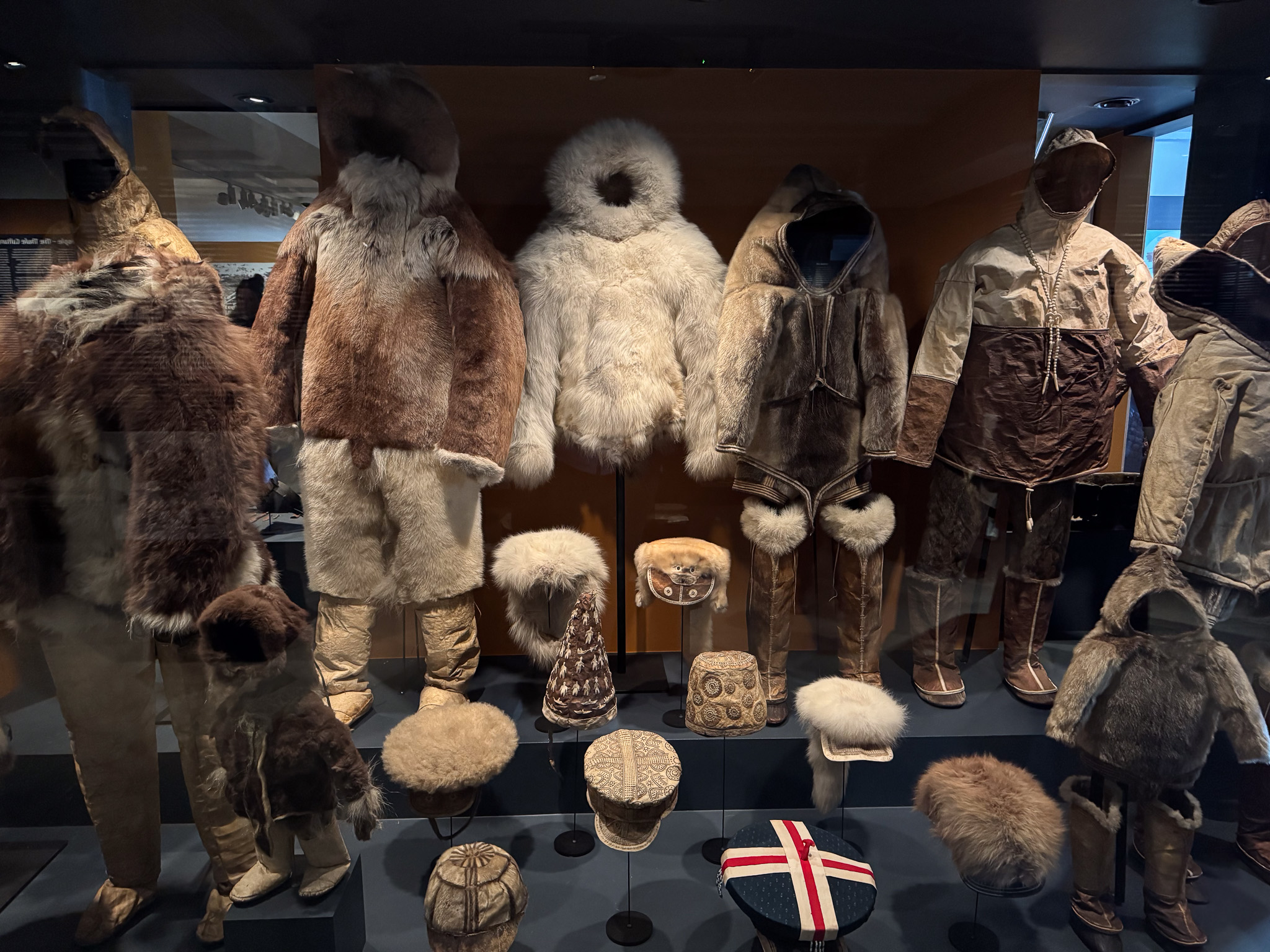
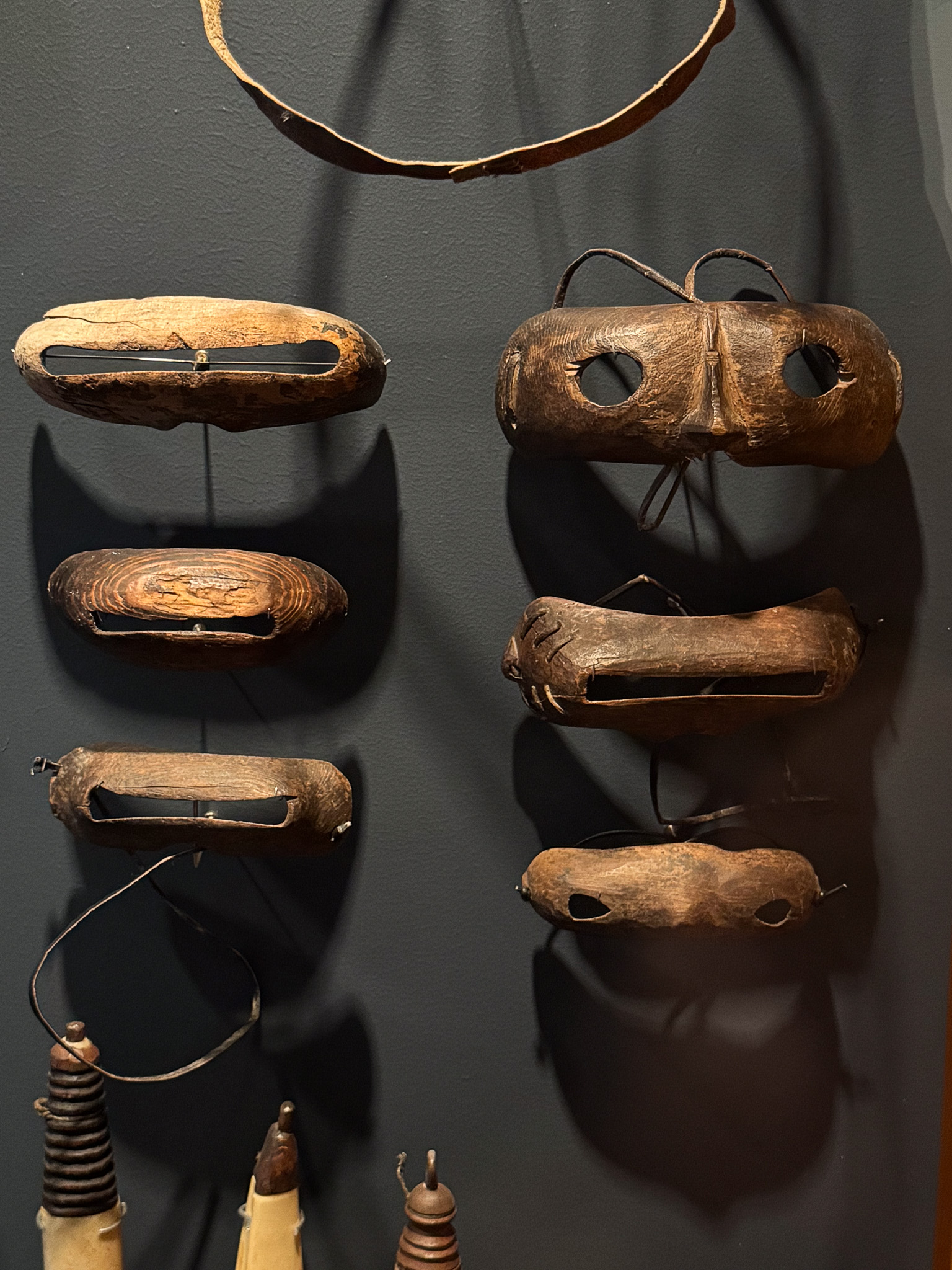
I owe the country of Greenland an apology. I didnt expect much from their museum, but it was quiet impressive. We spent a few hours learning about the indigenous Innuit people, and the fascinating story of the Norse Vikings who came to Greenland around 1,000 years ago. There’s a bit of mystery about their disappearance. They’re believed to have lived there for almost 500 years, but probably due to a big downshift in temperature, they disappeared quite quickly, leaving Greenland to the indigenous people whose descendants still live there. It wasn’t until nearly 300 years later that Europeans came back and established a permanent presence in Greenland. And for the curious, Greenland isn’t exactly a fully independent, sovereign nation. They have their own legislature but they are officially an autonomous territory within the Kingdom of Denmark.
Greenland wasn’t really on my bucket list like Iceland and Antarctica were. But after getting this taste of it, it absolutely should have been. Maybe someday we’ll come back on a smaller expeditionary cruise and do some zodiac landings to see even more.
The earth is incredible. Everyone should see it all!