Camping in Iceland
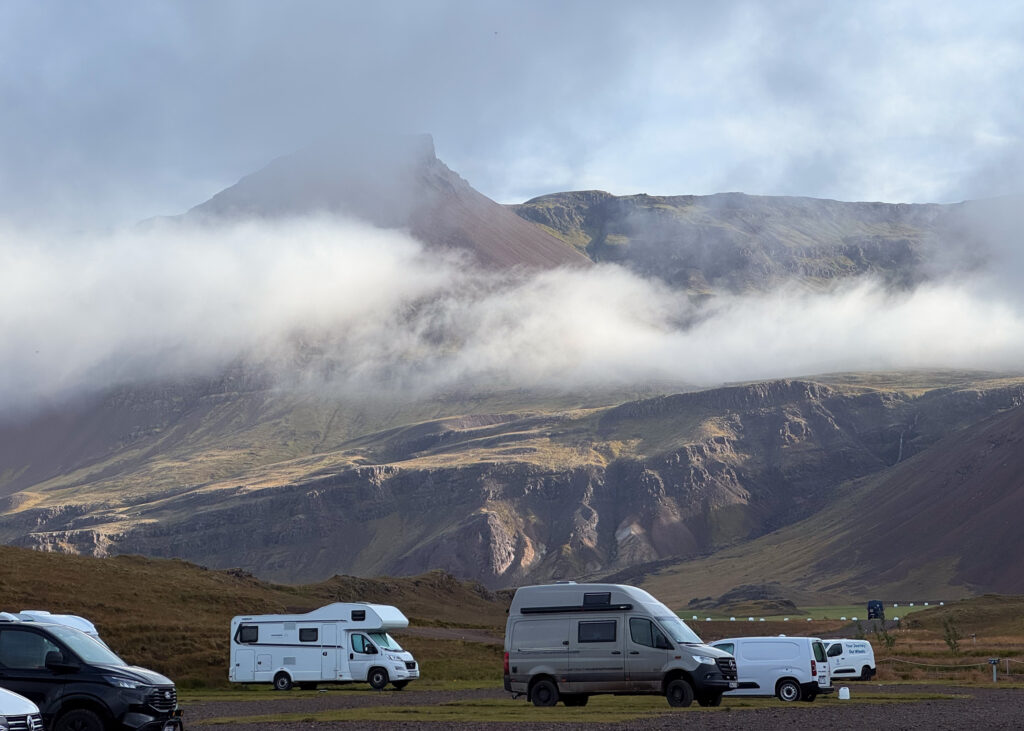
As with New Zealand, it’s super popular to drive around Iceland, camping along the way. There are campgrounds scattered all along the circumference of the island, enough of them so that you don’t even need to plan ahead or reserve spots, just show up and set up camp. I did some pricing and it looked like if we camped at least half our nights in Iceland, interspersed with nights at hotels, we would still come out ahead on our budget, including the added cost of renting an SUV with a tent topper. But it would be car camping. Hopefully with nice scenery, but car camping none the less. I’m not entirely sure how I tricked Trevis into thinking this was a good idea.
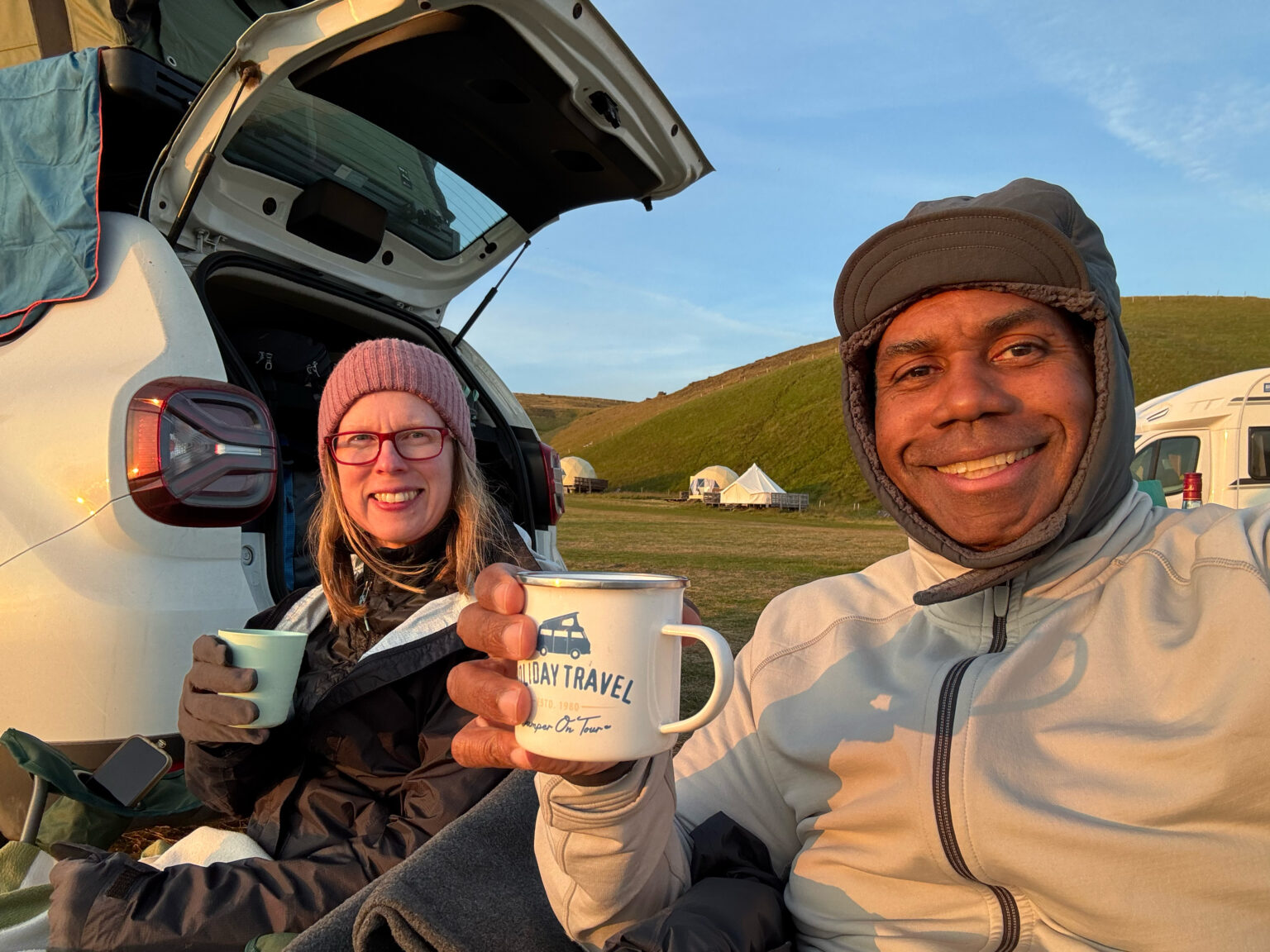
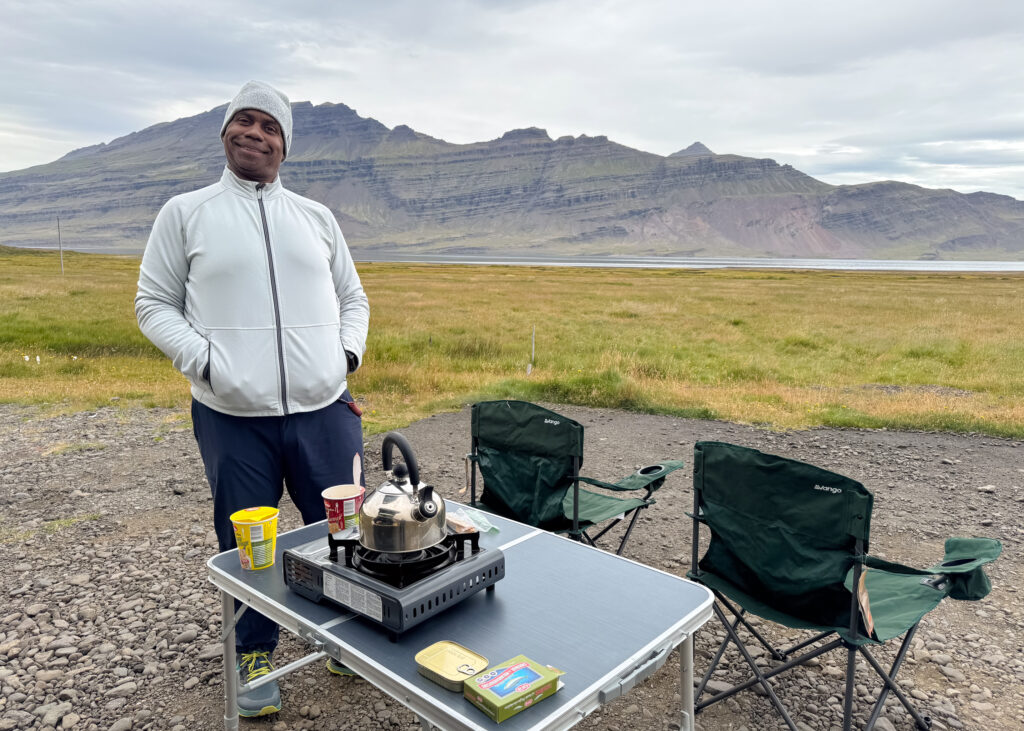
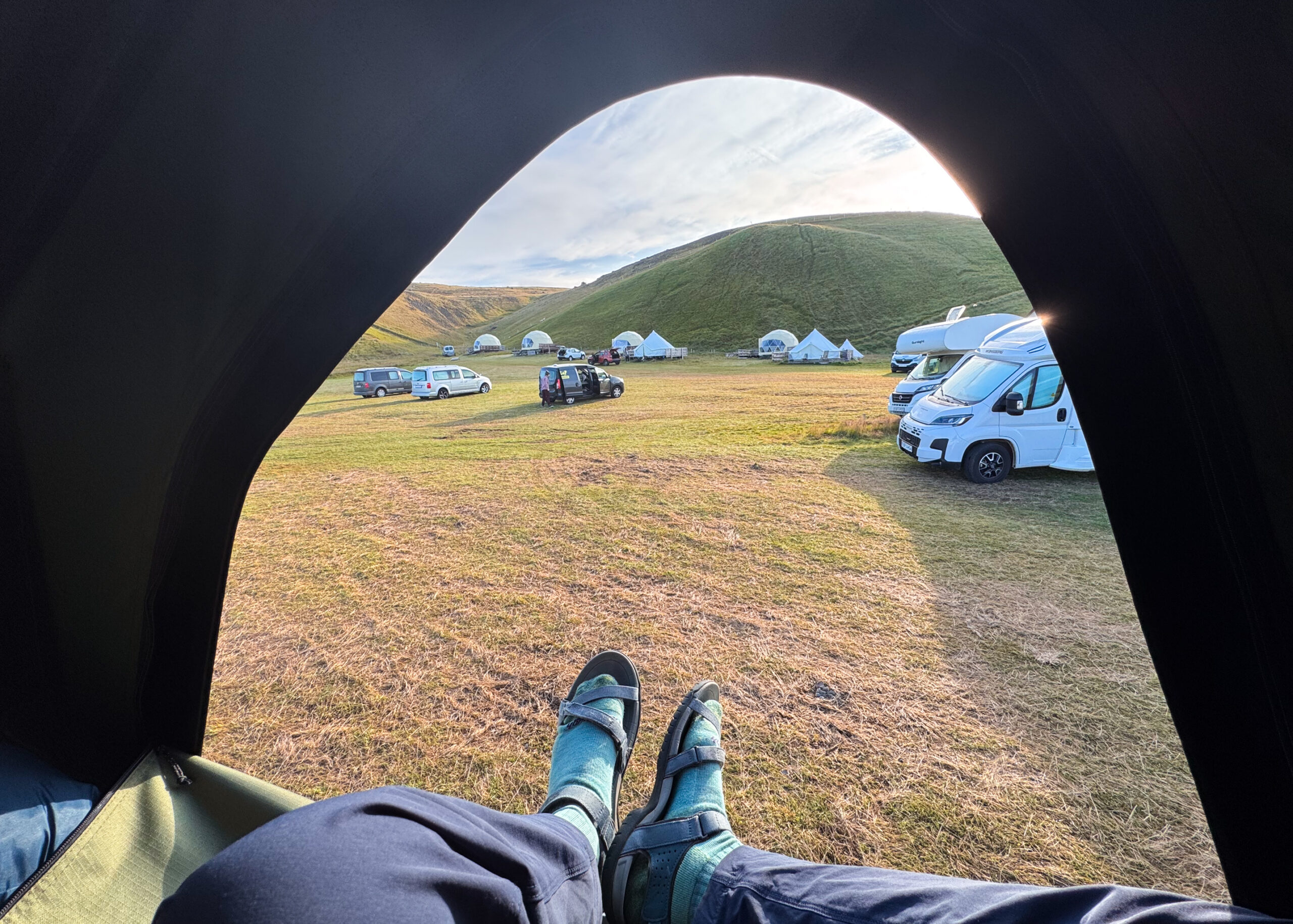
The vehicle we rented was a Dacia Duster, a small SUV with manual transmission, good ground clearance and all wheel drive. Most of our driving has taken place on smooth, paved highways, but there’s been quite a bit of mountainous gravel roads, ridged and potholed, so we’ve been happy with the Dacia. Mounted on top is a pop-up tent that sleeps two. There’s a ladder to get up and down from the tent which is a heavy canvas and has a cushion lining the bottom. Our rental package also included pillows, some throw blankets, two sleeping bags, a lamp, towels, a camp stove, table, camp chairs, and some pots and dishes. It’s a nice set up. The tent goes up really easily and comes down almost as easily … provided you are tall enough to reach the strap to pull it down with. I am not. Trevis barely is!
We used a website called tjalda.is to locate the campsites we would stay at, usually planning two nights camping alternating with two nights in a warm bed. Tjalda has an inventory of all the camping spots in Iceland with details about them like what amenities they offer and how much it costs to stay there – usually around 25 USD per person per night. The website allows you to filter for things like hot water, showers, electricity, laundry, dump stations, etc., as well as by whether or not they can be reserved.
If a campsite is able to be reserved, you don’t do that on Tjalda. You handle the reservation using the Parka app (which is also used for parking lots and street parking here.) Most of the campgrounds do not accept reservations, though. We stayed at a non-reservable one on our second night camping and it was not a problem getting a spot. There was plenty of space available, just like everyone had told us. Trevis likes to plan ahead, though, and preferred the security of reserving sites.
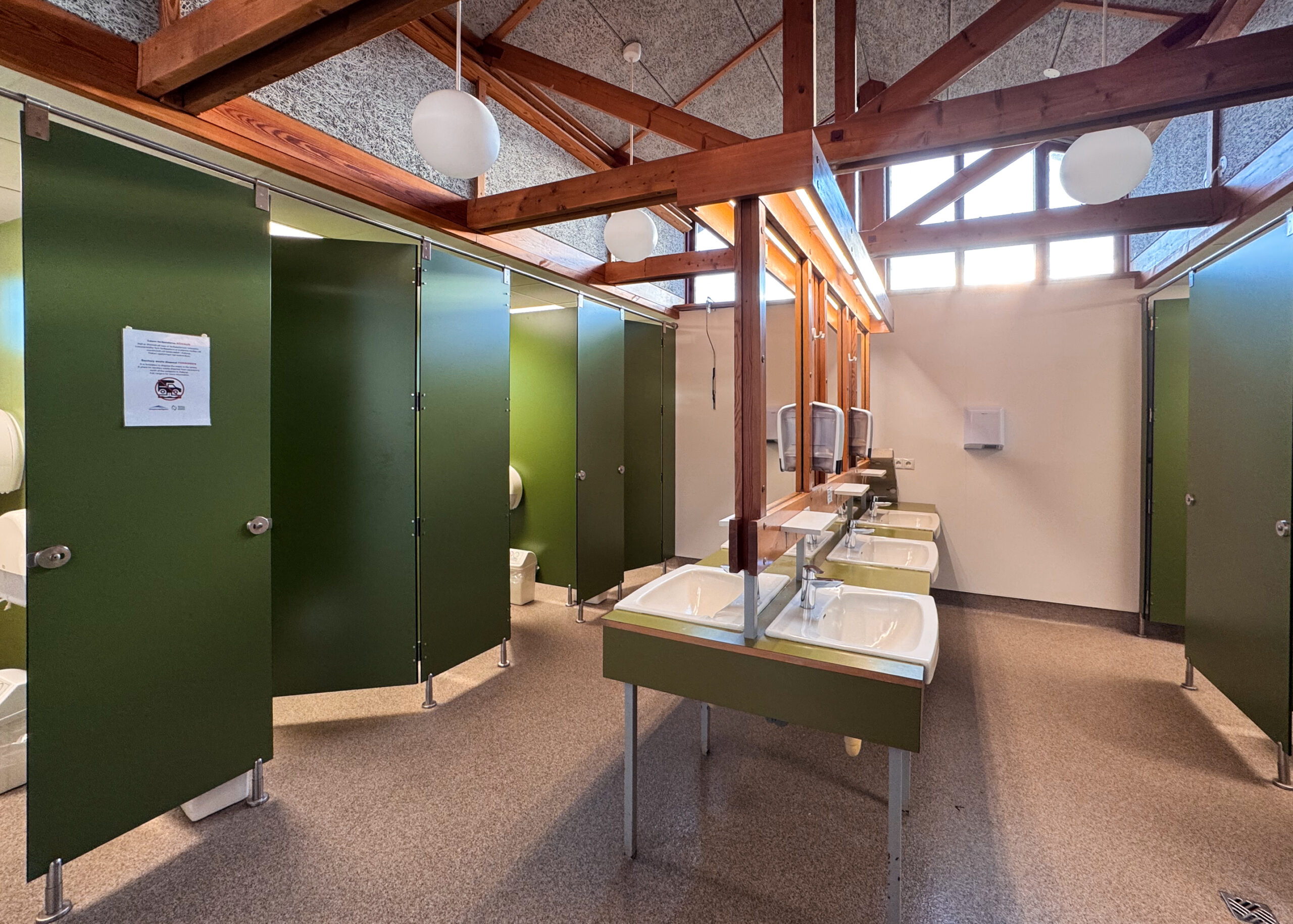
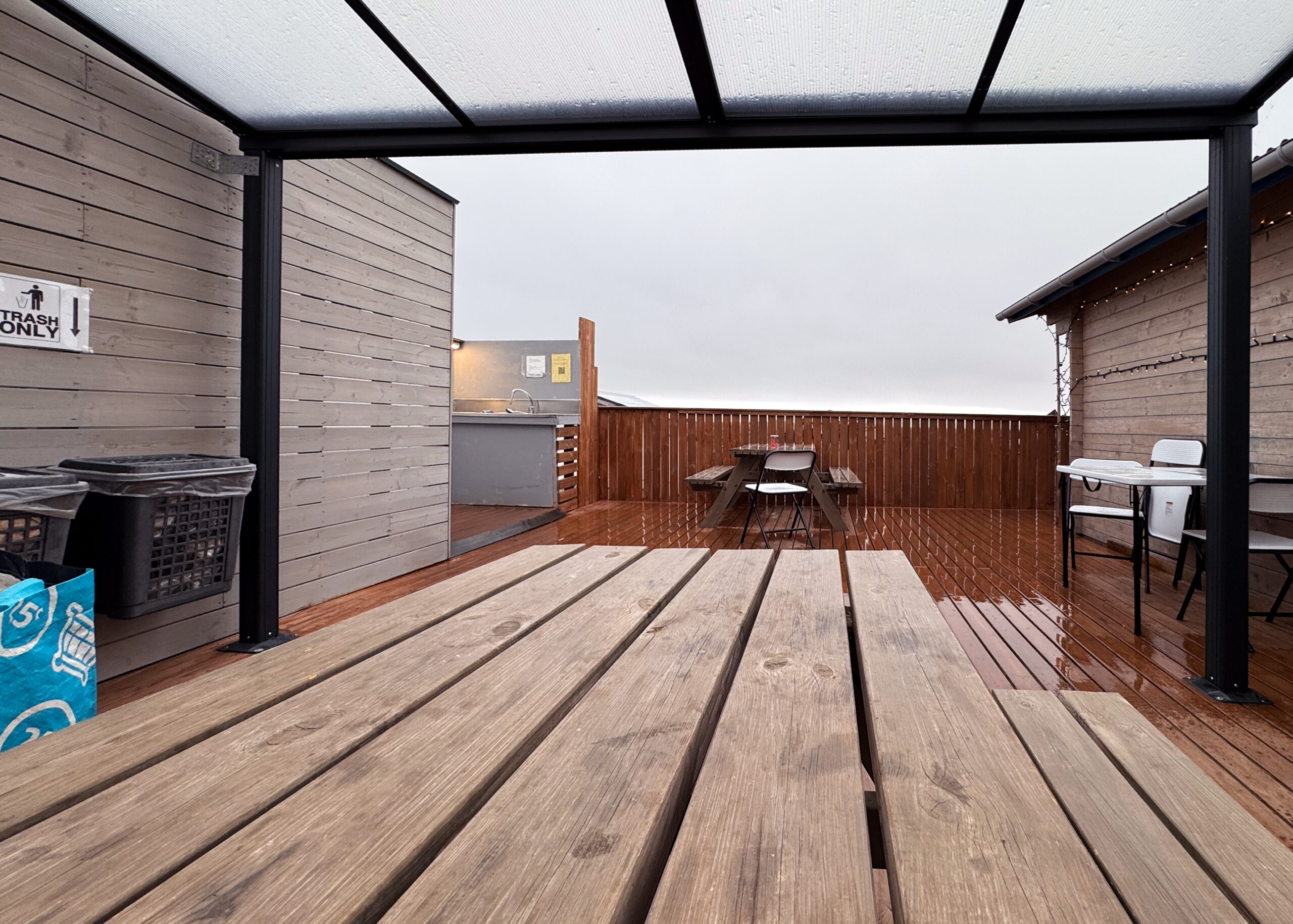
We made it about halfway around Iceland before throwing in the towel. Trevis was just done with car camping, with pulling into a parking lot to use a communal shower/toilet building, as well as with the uncertainty of not having a campsite reserved each night. The last night we camped was also quite buggy, so much that we had to wear our headnets to keep the flies and midges from flying into our eyes and noses. It was cold that night also (40F) and wasn’t forecast to get any better the rest of our trip, so despite the cost of booking additional hotel nights, I agreed. And I’m glad to be out of the cold for the rest of our time here. I’m not sure how much longer I would have lasted sleeping with cold toes if Trevis hadn’t put an end to it.
So while it was kind of an interesting experiment, I don’t think either of us would plan to do it that way again. We have a five day hiking/camping trip planned in Chile next year which will be closer to backpacking style of camping. We have high hopes that it will be a great experience for both of us.